
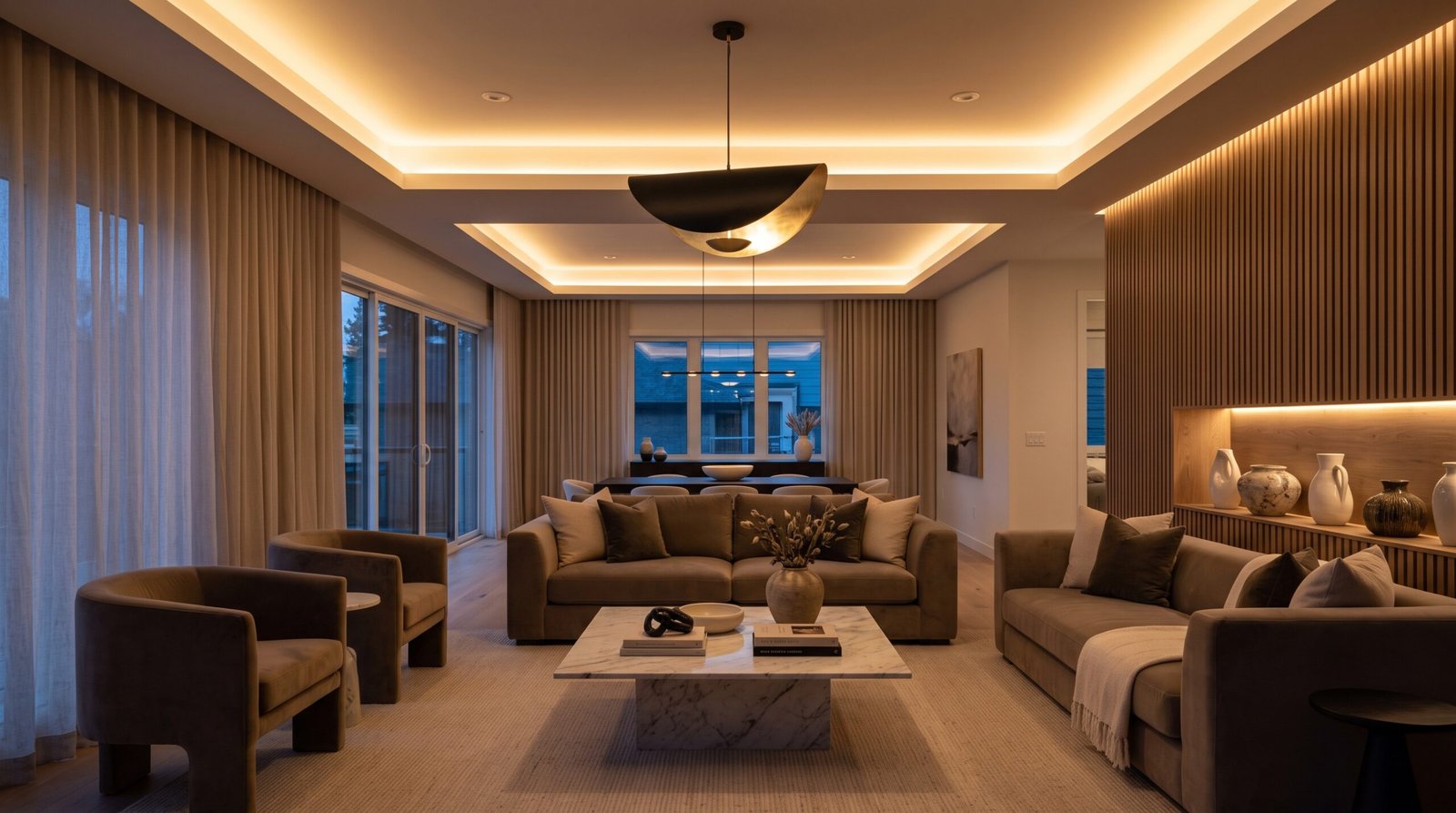
Lighting dictates how a room feels long before anyone notices the furniture. While structural architectural elements define space, the deliberate pairing of lighting & accents shapes mood, depth, and perceived scale. A poorly lit room flattens high-end decor, whereas strategic illumination transforms even modest accessories into striking focal points.
Mastering this balance requires viewing illumination not merely as utility, but as a dynamic design medium. By treating light fixtures and decorative items as interdependent elements, you create balanced living environments that transition effortlessly from bright daytime productivity to intimate evening relaxation.
Key Takeaways
- The Rule of Three: Every well-designed space relies on layered ambient, task, and accent illumination to prevent flat, uninviting shadows.
- Scale and Proportion: Accent lighting fixtures must match the visual weight of the furniture or decor they highlight.
- Color Temperature Matters: Match kelvin levels (2700K–3000K for living spaces; 3500K–4000K for utility areas) across fixtures to maintain visual harmony.
- Focal Hierarchy: Use focused accents to draw the eye to deliberate centerpieces like gallery walls, architectural niches, or statement sculpture.
- Control and Automation: Dimmers and smart controls unlock the versatility needed to adapt lighting schemes from day to night.
Understanding the Interplay Between Light and Decorative Details
Light fixtures serve a dual identity: functional light sources and standalone sculptures. Similarly, non-illuminated home accents—such as metallic trays, framed mirrors, stone pedestals, and textured textiles—rely on directional illumination to showcase their textures and forms.
When planning an interior, select fixtures whose finishes either harmonize with or intentionally counterpoint your room’s decor hardware. Matte finishes absorb ambient glare, while brushed bronze, polished brass, and crystal bounce dynamic highlights across surfaces, adding energy to neutral rooms.
The Three Fundamental Layers of Interior Lighting
Executing a cohesive scheme requires stacking three distinct lighting tiers rather than relying on a solitary overhead fixture.
       [ Ambient Layer: Recessed & Flushmounts ]
                          ▼
        [ Task Layer: Pendants, Sconces, Lamps ]
                          ▼
       [ Accent Layer: Directional Spots & LEDs ]
1. Ambient Lighting (The Foundation)
Ambient lighting provides the baseline illumination that ensures safe, comfortable navigation. Instead of harsh central ceiling fixtures, modern interiors favor indirect coves, perimeter soffits, or soft flush-mount luminaires.
2. Task Lighting (Functionality First)
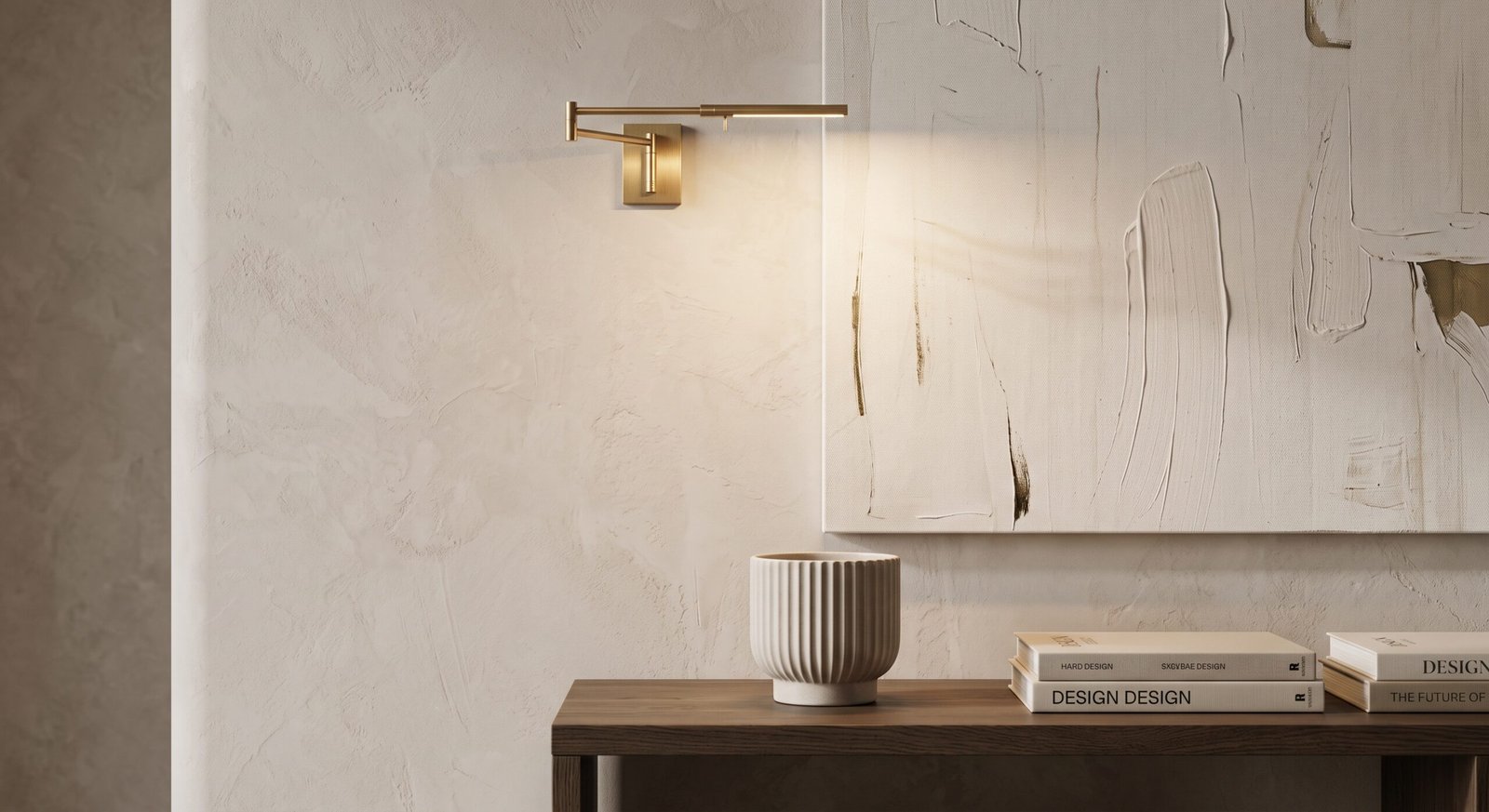
Task lighting delivers targeted brightness to specific work surfaces—kitchen islands, reading chairs, vanities, and home desks. Articulated desk lamps, slim under-cabinet LED strips, and directional library sconces combine targeted functionality with sculptural silhouette appeal.
3. Accent Lighting (Visual Drama and Focus)
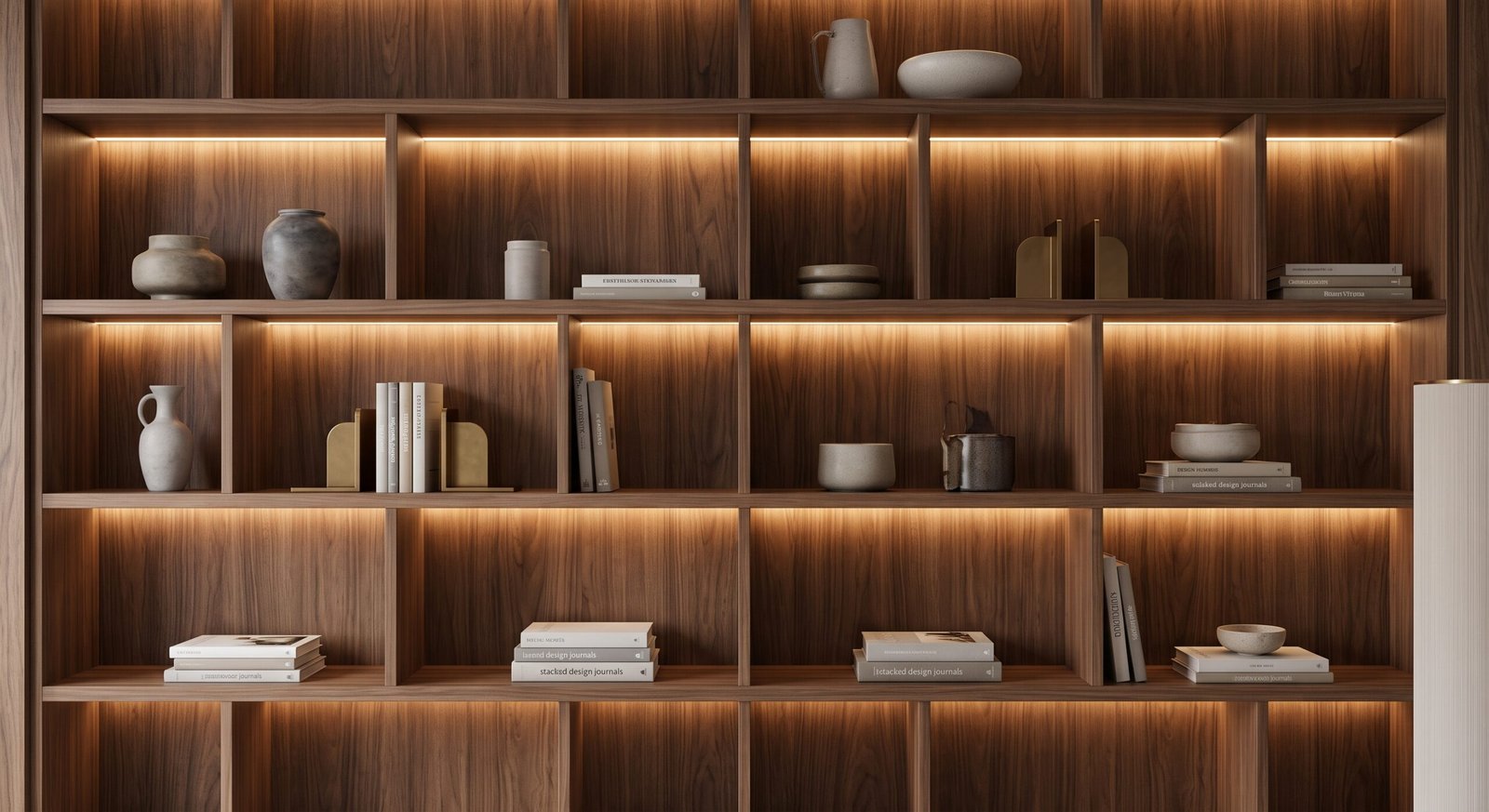
Accent fixtures draw attention to curated art, architectural moldings, textured surfaces, and curated shelves. Accent illumination should generally deliver about three times the lumen output of the surrounding ambient field to create an intentional focal point.
Styling Accents with Directional Lighting: Best Practices
To create high-impact decorative zones, pair fixture styles with complementary accents:
Selecting the Right Fixture Finishes and Light Quality
A common decorating pitfall is mismatched color temperature. A warm linen lamp sitting next to a cool daylight overhead recessed fixture creates visual discord that undermines even the most polished decor.
- Warm White (2700K – 3000K): Ideal for living rooms, bedrooms, and dining spaces. Emphasizes warm wood grains, brass accents, and earth tones.
- Neutral White (3500K – 4000K): Best for task spaces, laundry rooms, and pantries where neutral color clarity is paramount.
- High Color Rendering Index (CRI > 90): Ensures fabrics, painted accents, and artwork reflect true, rich color without muddy gray undertones.
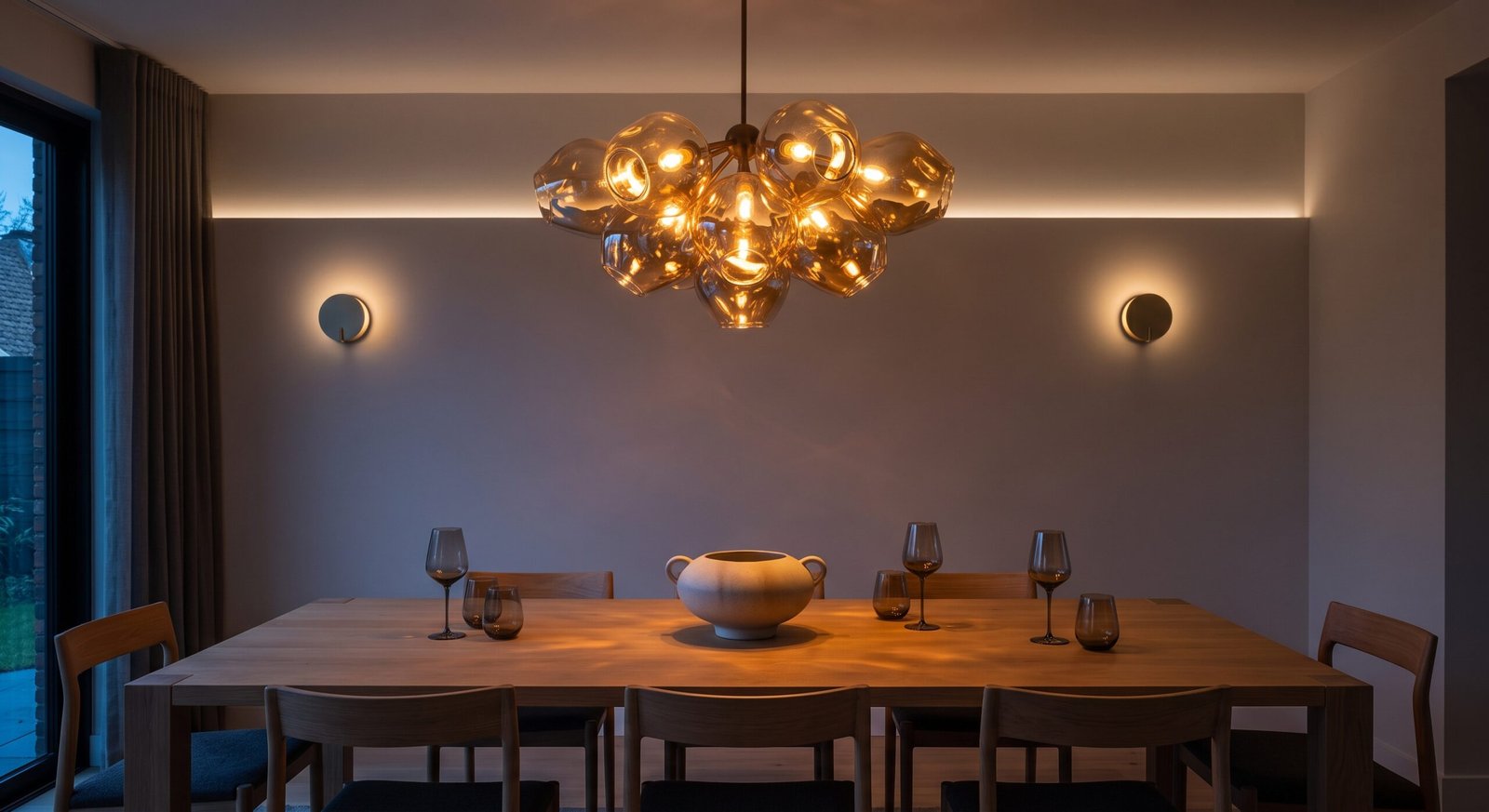
When mixing metallic finishes, select one dominant metal for major fixtures (like matte black) and introduce a complementary accent metal (such as satin brass) on smaller lamps and picture lights to maintain visual rhythm.
Transforming Spaces with Purposeful Lighting & Accents
Transforming a room does not require extensive structural renovation. By reassessing the relationship between functional fixtures and curated decor, you can alter the scale, depth, and character of your interior. Focus on layering light across different heights, matching color temperatures, and highlighting architectural accents to craft a home that feels both functional and visually compelling.
Frequently Asked Questions
What is the most effective way to combine lighting and accents in a small living room?
Prioritize vertical real estate: install wall-mounted plug-in sconces and slim floor lamps to illuminate corners without sacrificing floor area. Adding integrated LED strip lights behind floating shelves or a wall-mounted console adds perceived depth, making the entire room appear larger.
How do I choose the correct size for accent lighting fixtures?
Scale fixtures directly to the object they accompany. For example, a picture light above framed art should measure approximately one-half to two-thirds the width of the frame. For a dining chandelier, select a diameter roughly 12 inches narrower than the table width to preserve sightlines and balance.
Can I mix modern lighting fixtures with vintage decor accents?
Yes. Juxtaposing an ultra-modern, geometric pendant over an antique carved sideboard creates dynamic visual tension. To keep the pairing cohesive, echo a shared finish, color palette, or geometric line between the fixture and the surrounding accents.
1 thought on “Lighting & Accents: Transform Your Home Atmosphere”