
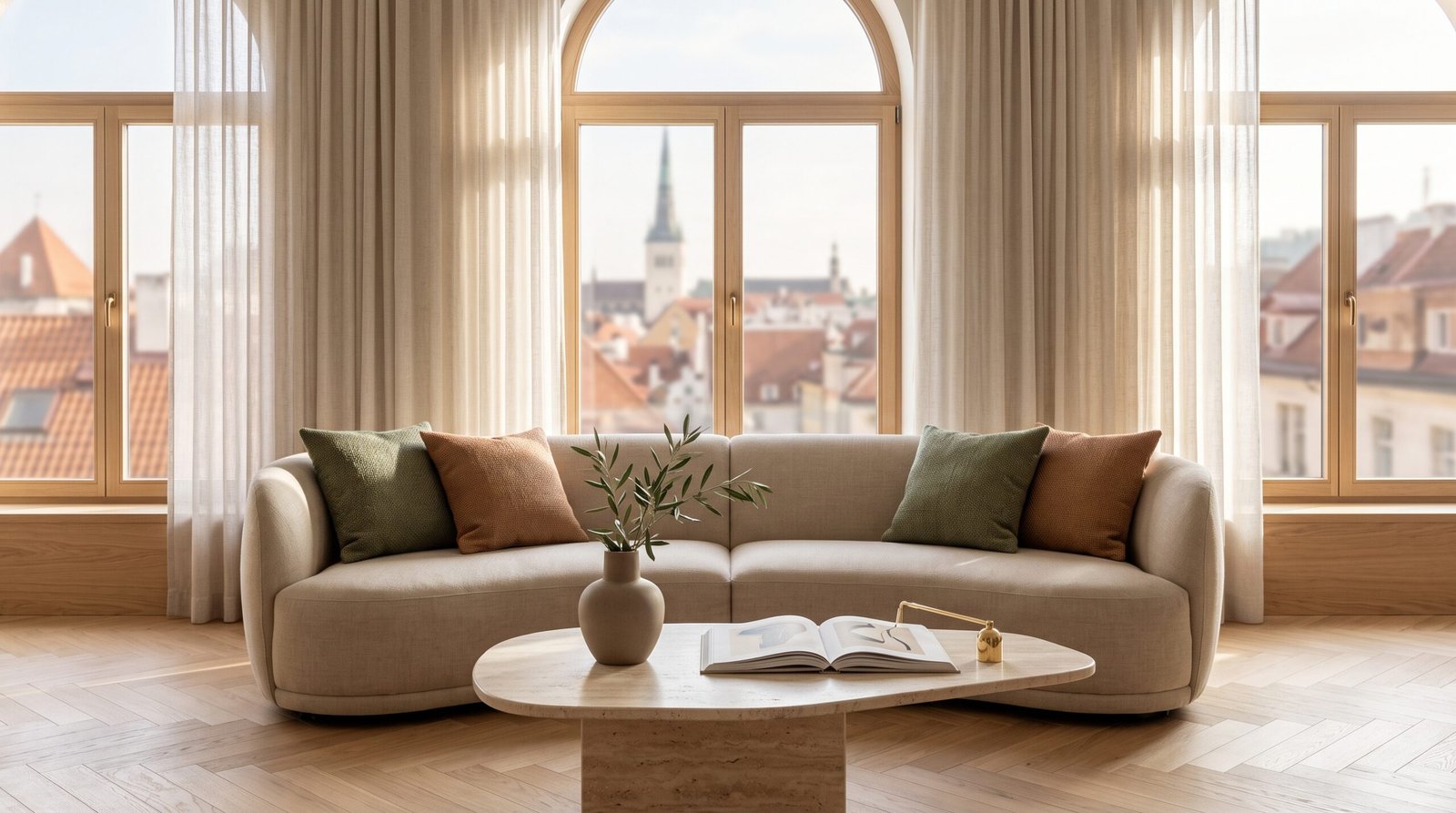
Walking into a professionally curated room often feels effortless, yet every detail—from the angle of a throw blanket to the height of a table vignette—is calculated. While interior design sets the structural bones and floor layout of a home, room styling provides the soul, depth, and personality. It is the art of curating finishing layers, balancing color palettes, and creating visual rhythm so that a space feels collected over time rather than purchased off a showroom floor.
Whether you are refreshing a tired living room or styling a newly furnished bedroom, understanding the core principles of room styling transforms ordinary spaces into curated sanctuaries without requiring gut renovations.
Key Takeaways
- Anchor with a Clear Focal Point: Every room requires one dominant visual anchor—such as a fireplace, architectural art piece, or accent wall—to orient the eye.
- The Rule of Threes Drives Vignettes: Group decor items in odd numbers with varying heights, shapes, and materials to establish organic asymmetry.
- Layer Contrasting Textures: Prevent flat, one-dimensional rooms by juxtaposing rough ceramics, slubby linens, warm woods, and reflective metals.
- Incorporate Negative Space: Intentional blank spaces on walls and tabletop surfaces allow styled groupings to breathe and prevent visual overwhelm.
1. Establishing Focal Points and Visual Weight
The foundation of intentional room styling begins with establishing where the eye should land upon entering. Without an unmistakable focal point, a room feels disjointed and chaotic.
| Styling Element | Core Purpose | Actionable Application |
| Primary Anchor | Directs immediate attention | Center your layout around large-scale art or an architectural fireplace |
| Secondary Accents | Guides circulation across the room | Place a sculptural armchair or styled credenza along perimeter sightlines |
| Visual Weight Balance | Prevents one-sided room heaviness | Counterbalance a dark, heavy bookcase with substantial window drapery opposite it |
| Negative Space | Provides visual relief | Leave 30–40% of shelving surfaces unadorned |
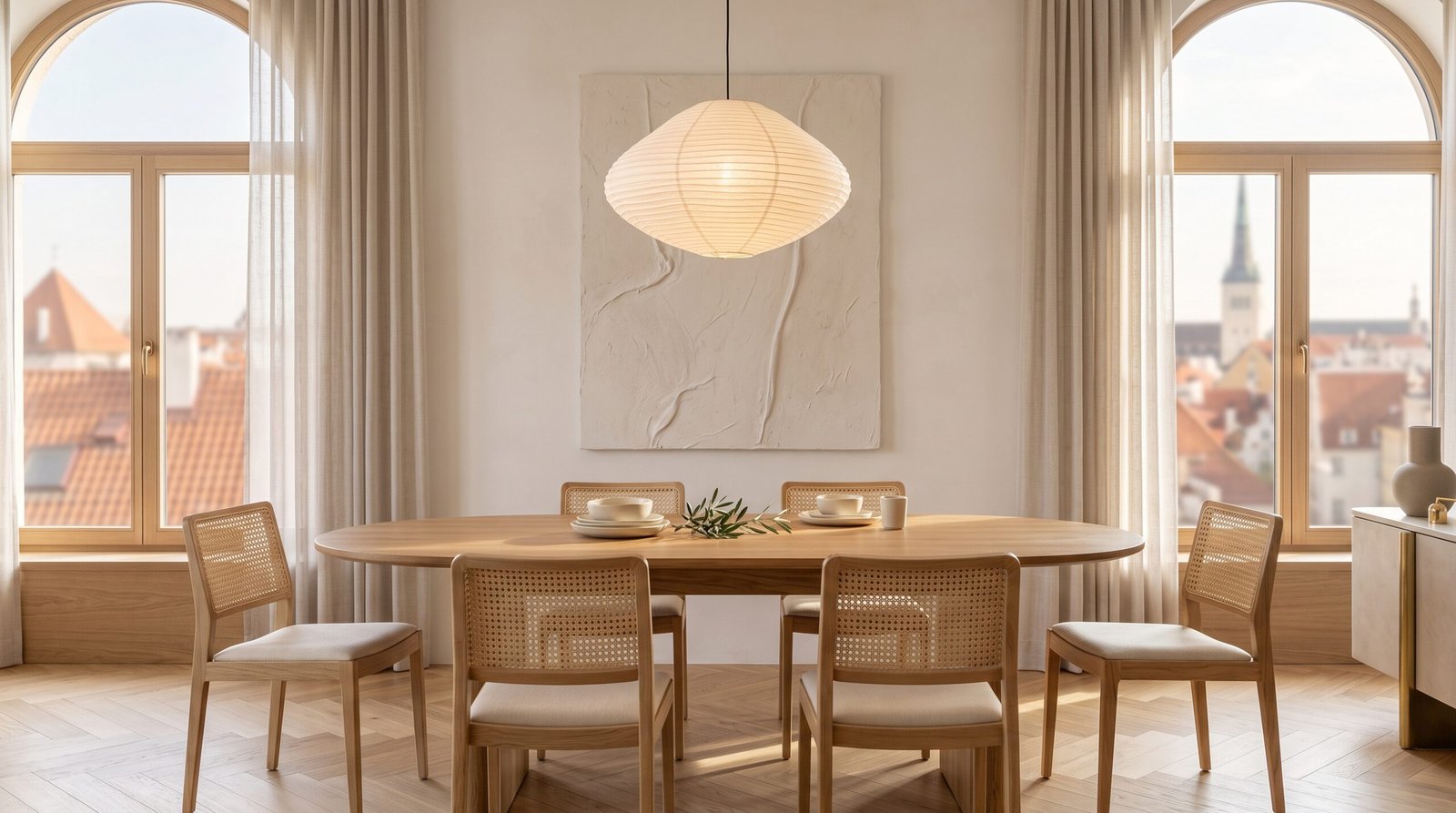
2. Tabletop and Shelf Styling: The Rule of Threes and Triangles
Styling coffee tables, mantels, and bookshelves is where homeowners often struggle with clutter. Successful room styling relies on structural composition techniques rather than arbitrary decoration.
The Triangle Composition Method
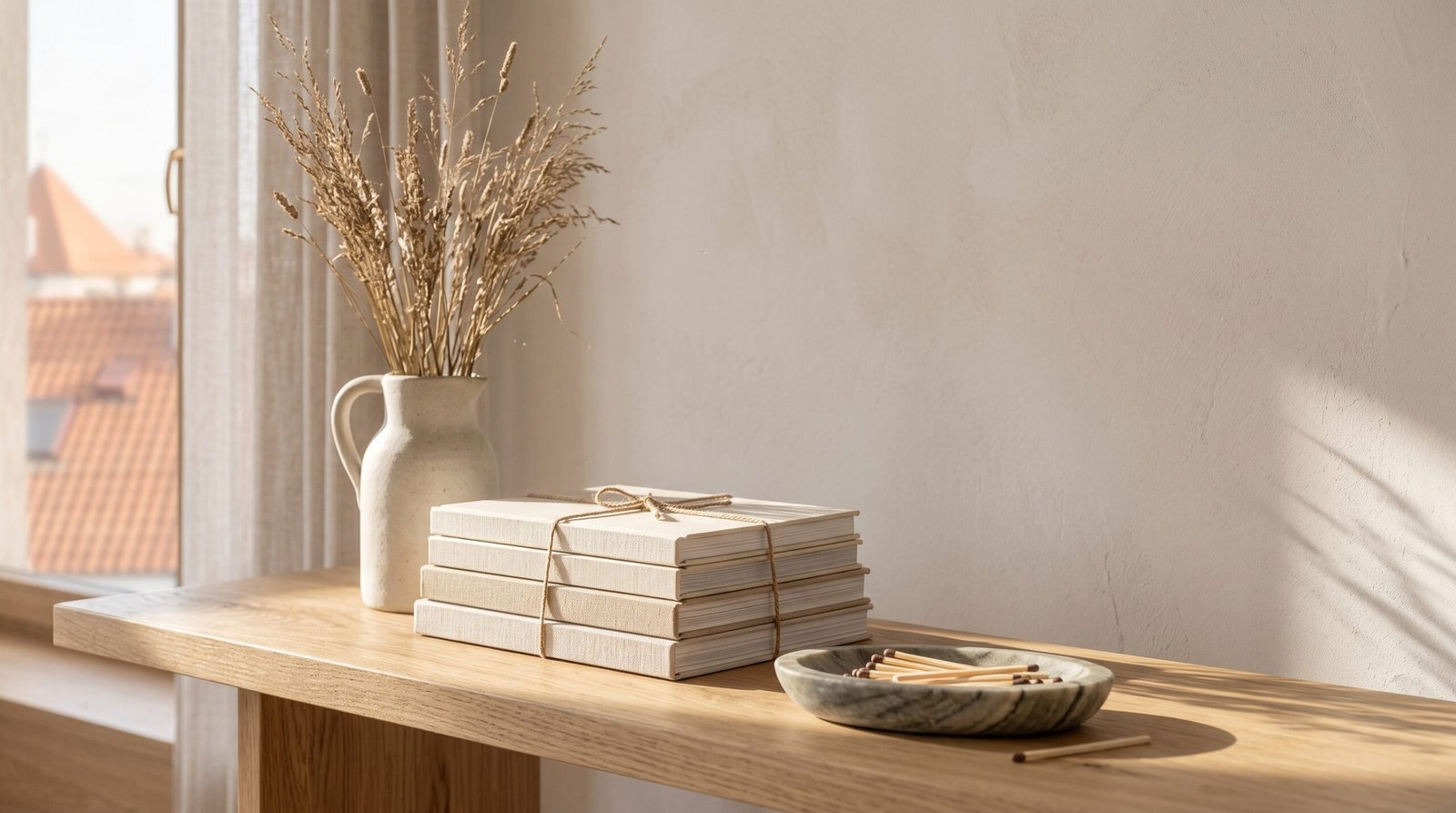
- High Anchor: Start with an item providing vertical elevation, such as a tall ceramic vase with sculptural dried branches or a sleek table lamp.
- Medium Bridge: Add a medium-height piece, like a stack of two or three hardcover design books topped with a decorative stone bowl or brass object.
- Low Foundation: Ground the vignette with a low-profile item, such as a textured candle tray, ceramic coasters, or a small marble dish.
Forming an imaginary triangle with your objects creates pleasing visual dynamics. The eye naturally travels along the sloping angles rather than hitting an unvaried horizontal line.
3. Mastering Textile Layering and Color Accents
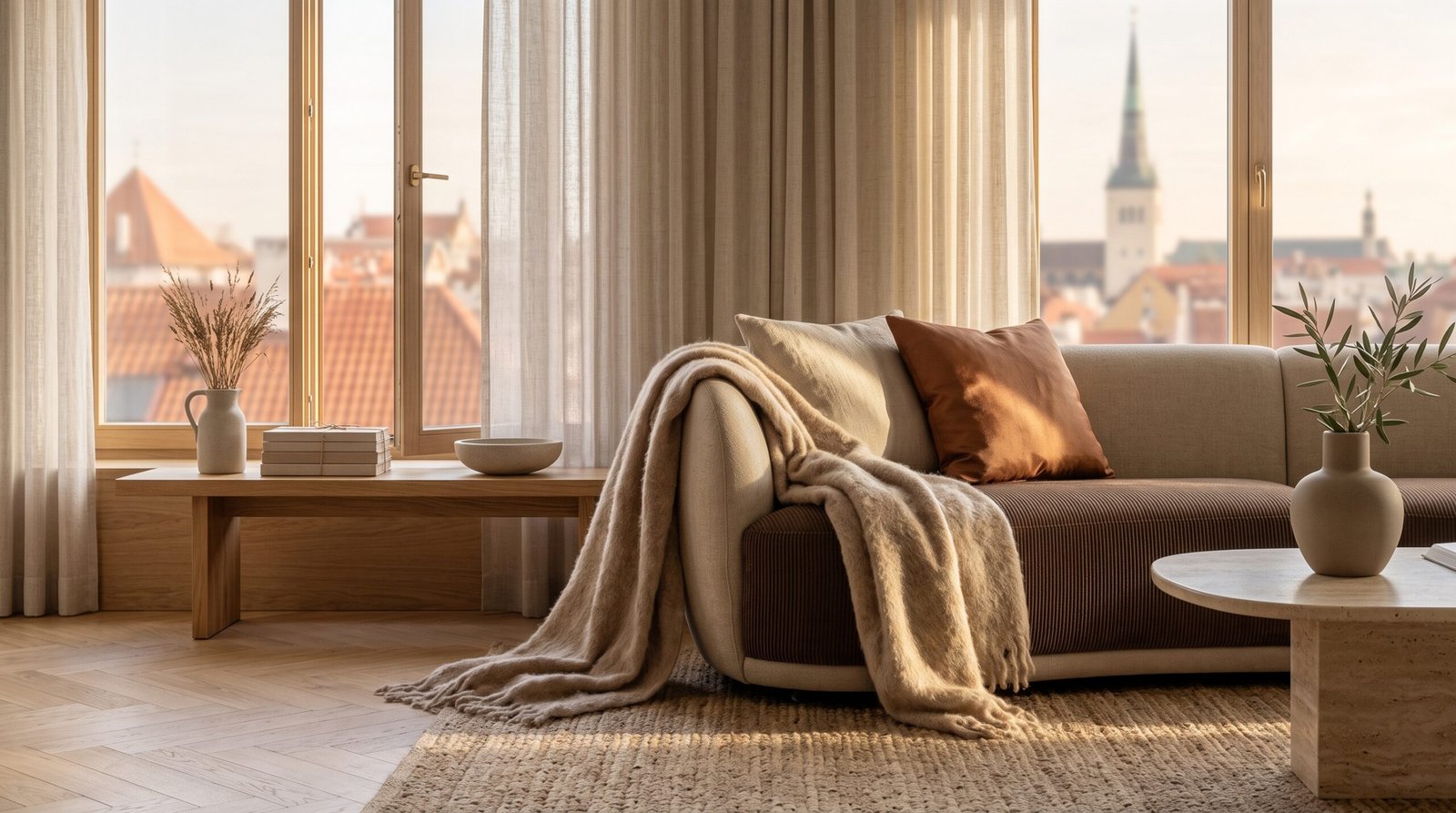
A room styled entirely in identical fabrics feels clinical and uninviting. Dynamic room styling hinges on textural tension—pairing opposing finishes together so surfaces catch light differently throughout the day.
- Contrast Weaves and Finishes: Pair a smooth leather chair with a chunky bouclé cushion, or soften a cold stone coffee table by grounding it with a thick, hand-knotted wool rug.
- Vary Pattern Scale: If combining patterned textiles, vary their proportions. Pair one large-scale botanical or geometric motif with a subtle pin-stripe and a solid textured weave to avoid visual competition.
- Use Accent Colors with Restraint: Pull two secondary tones from an anchor rug or painting and repeat them subtly across three distinct points in the room (e.g., a throw pillow, a ceramic glaze, and a small decorative catchall).
4. Layering Organic Elements and Sculptural Accents
No styled space is complete without living or organic elements. Foliage, branch cuttings, and raw natural materials break up rigid geometric furniture lines, infusing natural movement and warmth into your home.
- Branch Cuttings Over Tight Bouquets: Tall, architectural branches (such as olive, magnolia, or eucalyptus) placed in a heavy stoneware vessel create immediate drama and height without feeling overly formal.
- Sculptural Oddities: Integrate found objects—such as weathered driftwood, petrified wood bookends, or raw mineral chunks—to introduce unique silhouettes that spark curiosity.
- Living Botanicals: Incorporate indoor plants in varying foliage textures, from the broad leaves of a rubber plant to the delicate cascading tendrils of an English ivy.
Frequently Asked Questions
What is the difference between interior design and room styling?
Interior design involves structural spatial planning, architectural features, material specifications, electrical plans, and large-scale furniture procurement. Room styling focuses on the curation and surface aesthetics—arranging textiles, artwork, vignettes, lighting accents, and decorative objects to bring cohesion and finish to the existing space.
How do I style a small room without making it look cluttered?
Focus on fewer, larger decorative pieces instead of numerous small knick-knacks. Use low-profile silhouettes, incorporate large mirrors to reflect natural daylight, and leave wall space open to preserve negative space.
How can I practice budget-friendly room styling?
Shop your own home first: rearrange existing art, restyle bookshelves by grouping items by material, swap throw pillow covers, and bring in free greenery by clipping interesting branches from your garden.
1 thought on “Room Styling: A Designer’s Guide to Elevated Living”