
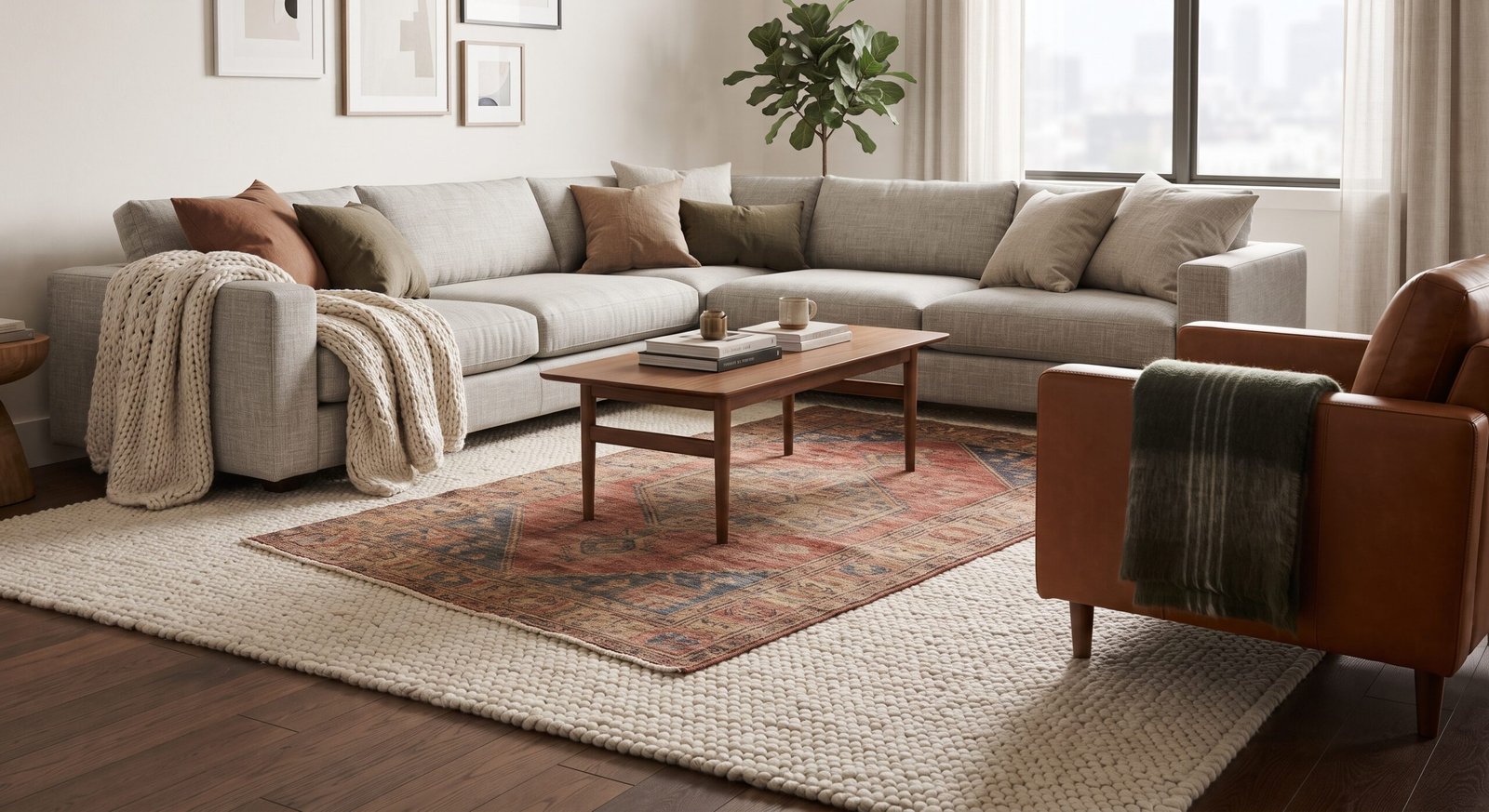
When it comes to interior design, furniture provides the structural bones of a room, but rugs & textiles breathe life, color, and warmth into the space. Without soft furnishings, even the most exquisitely designed room can feel cold, sterile, and uninviting.
Mastering the art of selecting, combining, and maintaining rugs and textiles allows you to completely alter the mood of your living environment. From plush wool area rugs underfoot to lightweight linen drapery, heavy velvet cushions, and textured throws, these elements engage our sense of touch and visually ground our living spaces. In this comprehensive guide, we will explore how to curate and layer rugs & textiles effectively to create a professional, designer-grade finish in your home.
Key Takeaways
- Anchor with Rugs: Always let your area rug define functional zones in open-concept spaces and ensure it is large enough to anchor your key furniture pieces.
- Play with Textures: Mix contrasting materials—such as smooth leather, nubby bouclé, and crisp linen—to add depth and visual interest.
- Layer for Seasons: Swap lightweight cottons and silks for heavier wools and faux-furs as the weather cools down.
- Balance Patterns and Solids: Pair bold patterned rugs with solid-colored textiles, or vice versa, to prevent visual clutter.
1. Choosing and Styling Area Rugs as Your Foundation
Your floor covering serves as the fifth wall of any room. A well-chosen rug ties disparate furniture pieces together, muffles sound, and adds a layer of physical warmth. When shopping for rugs & textiles, the most common mistake is choosing a size that is too small.
To achieve a balanced look, ensure that at least the front legs of your seating furniture rest comfortably on the rug. For dining rooms, the rug should be large enough to keep chairs on the surface even when pulled out.
“A quality rug anchors a room the way a frame anchors a masterpiece. It establishes the spatial boundary and defines the color palette for all surrounding textiles.”
2. The Power of Soft Furnishings: Pillows, Throws, and Upholstery
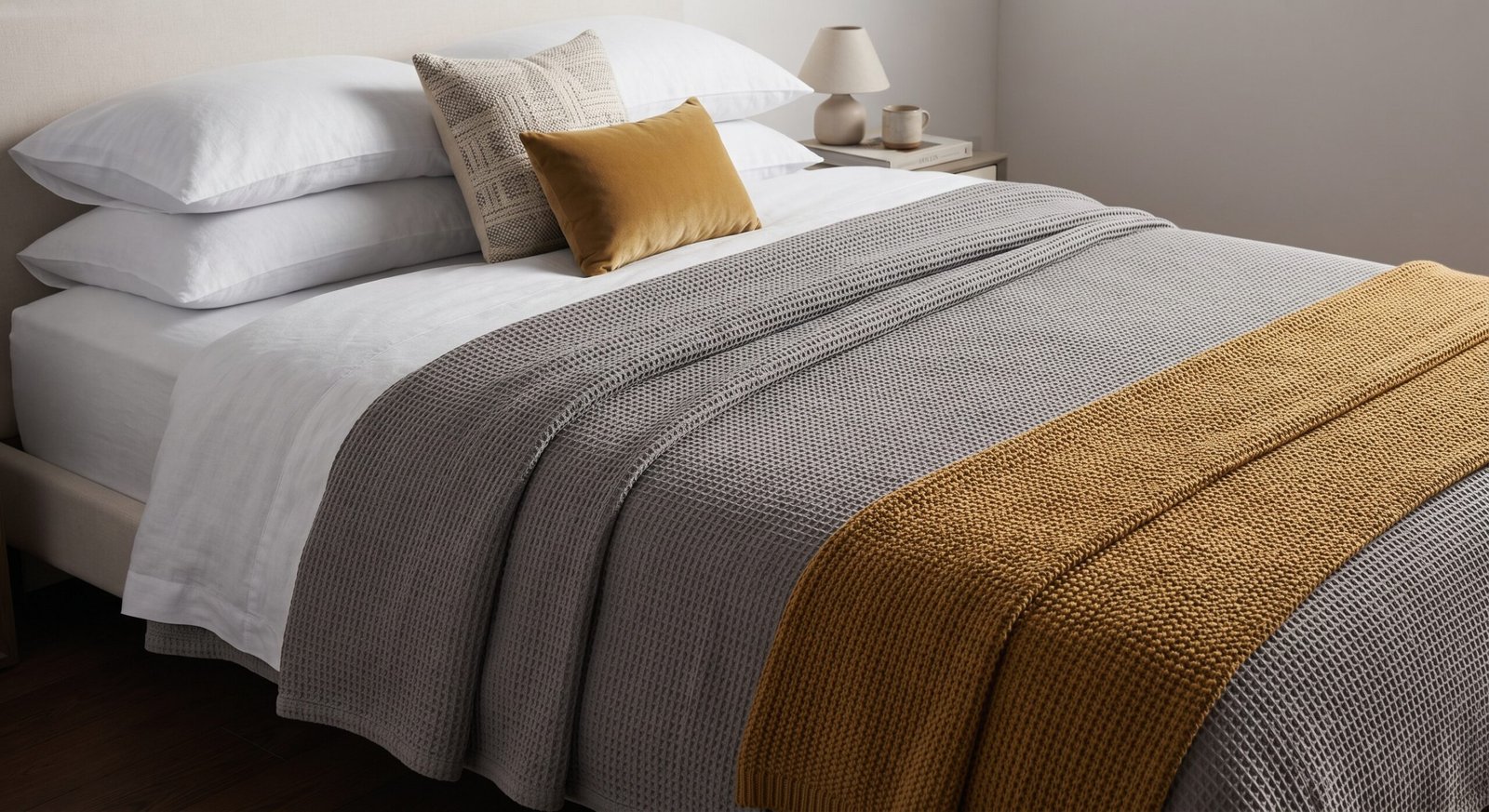
Once your floor foundation is set, the next layer of rugs & textiles involves soft furnishings. Cushions, throw blankets, and upholstered accents allow you to introduce seasonal colors and personality without making a permanent financial commitment.
When styling throw pillows, avoid matching everything to a single fabric. Instead, aim for a curated mix of textures and sizes:
- Base Layer: Start with large, neutral square pillows in structured cotton or linen.
- Pattern & Contrast: Add medium-sized lumbar or patterned pillows featuring geometric prints or subtle embroidery.
- Textural Pop: Finish with a tactile accent piece, such as a faux-fur or bouclé cushion.
3. Mastering the Art of Textile Layering
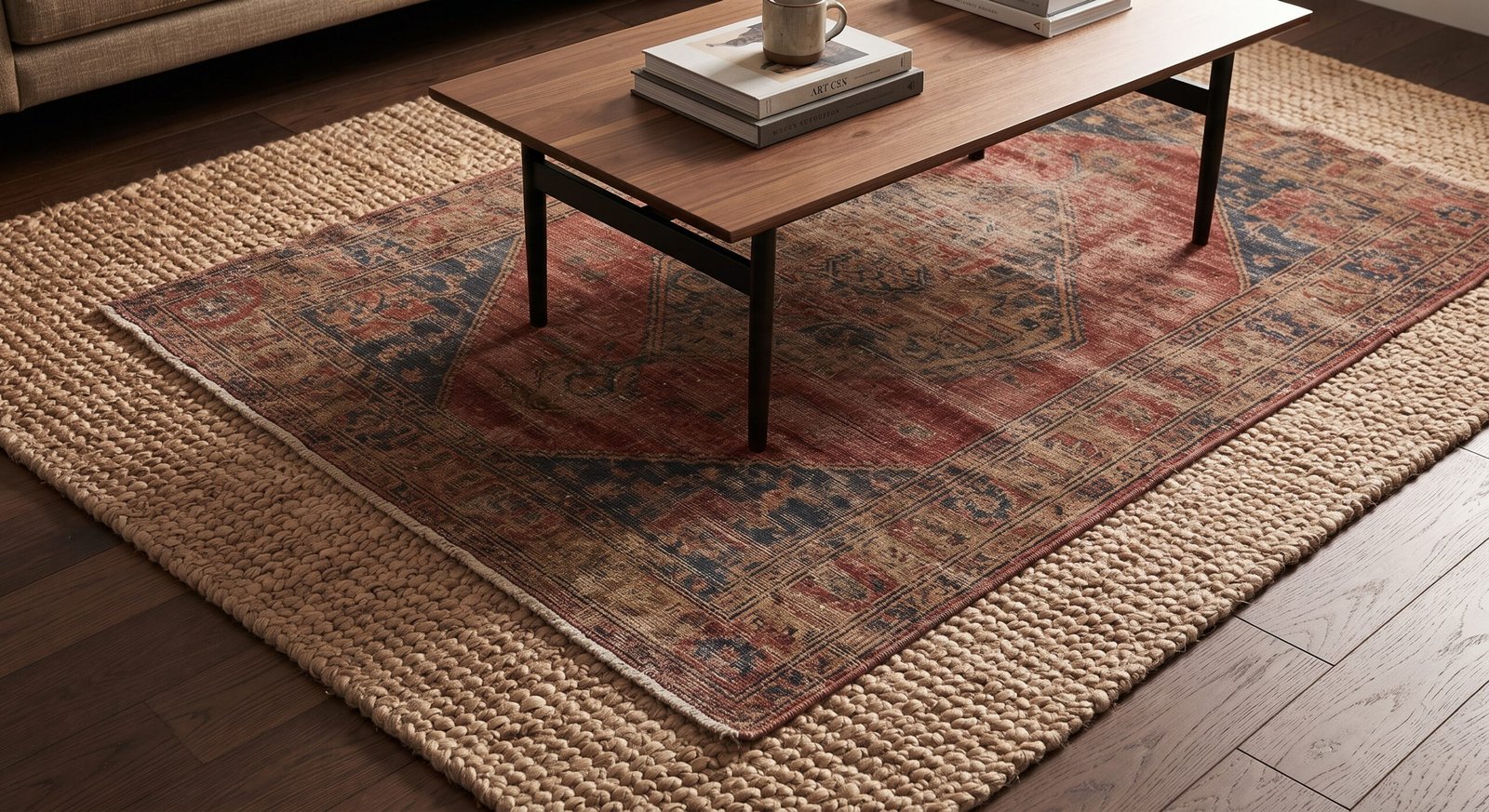
Layering isn’t just for fashion—it is a core interior design strategy that brings dimension to flat spaces. In the context of rugs & textiles, layering can mean placing a smaller, patterned hide or vintage rug over a large, neutral sisal base.
Similarly, on beds and sofas, layering involves combining sheets, coverlets, quilts, and heavy duvets in varying weights. This creates an opulent, invitation-only aesthetic that feels both curated and effortlessly cozy.
Be mindful of scale when layering patterns. If your rug features a bold, large-scale floral motif, pair it with smaller-scale geometric or solid textiles to maintain visual harmony.
4. Maintenance and Longevity: Protecting Your Investment
High-end rugs & textiles are an investment in your home’s comfort. To ensure they stand the test of time, proper care and routine maintenance are essential.
- Vacuuming: Vacuum high-traffic wool and synthetic rugs regularly, but avoid using a aggressive beater bar on delicate vintage or handmade rugs.
- Rotation: Rotate your area rugs every six months to prevent uneven fading from direct sunlight and balanced wear-and-tear.
- Spot Cleaning: Address liquid spills immediately by blotting (never rubbing) with a clean white cloth and a mild soap solution appropriate for the specific fiber.
Conclusion
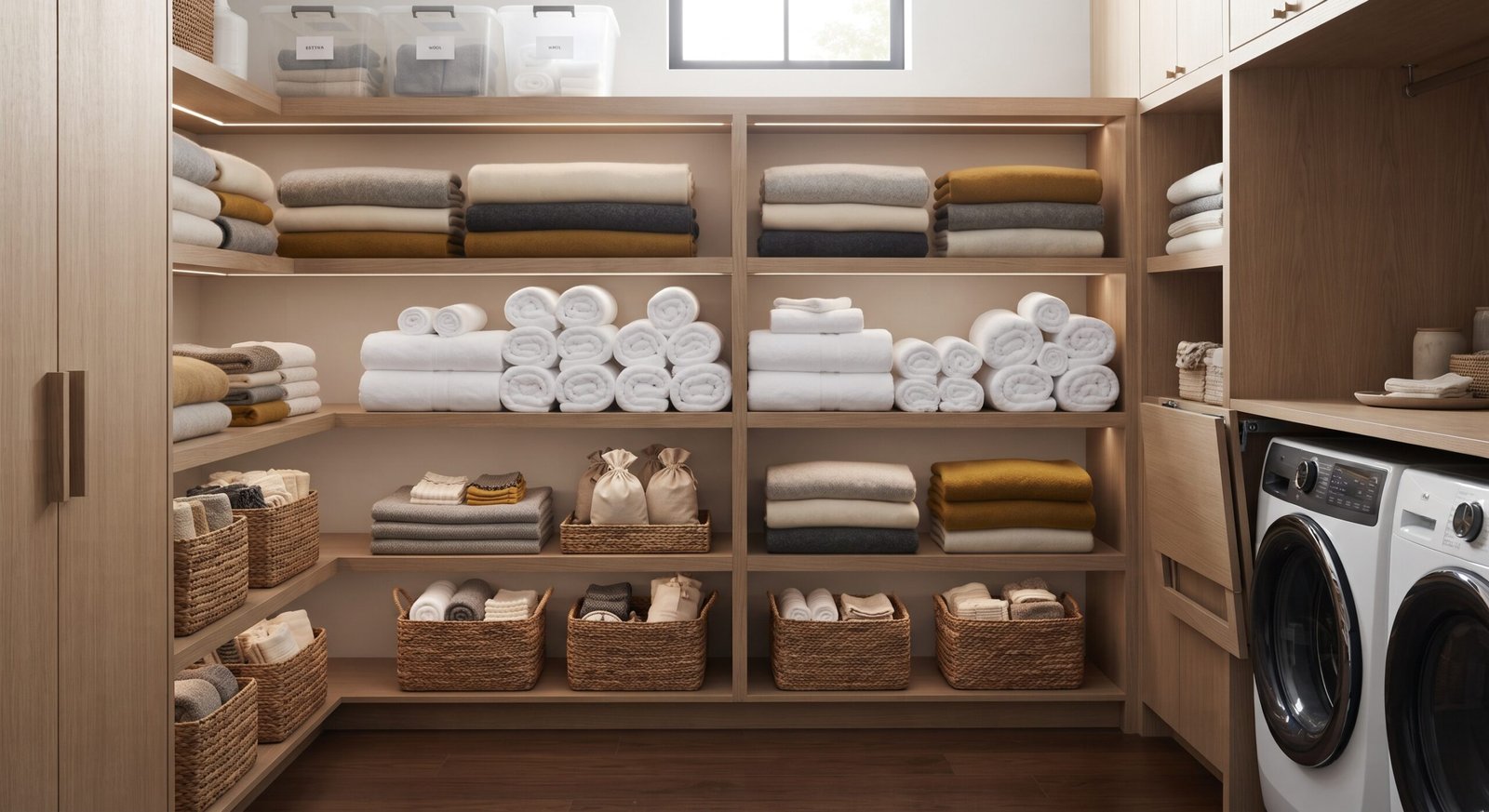
The thoughtful integration of rugs & textiles transforms a house into a warm, deeply personal sanctuary. By paying attention to scale, mixing contrasting textures, and layering elements thoughtfully across seasons, you can elevate your interior design effortlessly. Treat your soft furnishings as dynamic components that tell your home’s unique story.
Frequently Asked Questions
How do I choose the right size rug for my living room?
As a general rule, your area rug should be large enough to accommodate at least the front legs of all major furniture pieces in your seating arrangement. This visually anchors the furniture and unifies the space rather than making the room look chopped up.
What are the best textile choices for homes with pets and kids?
Opt for durable, stain-resistant natural fibers like tightly-woven wool, or high-performance synthetic blends like polypropylene and solution-dyed acrylic. Avoid delicate silks, loose weaves, or high-pile shag rugs that trap pet hair and are difficult to spot clean.
How can I mix different patterns in my textiles without it looking messy?
Stick to a cohesive color palette of three to four core colors. Vary the scale of the patterns—combine a large-scale pattern (like a bold floral rug) with medium stripes and small-scale geometric prints to create balance and prevent visual clashing.
1 thought on “Rugs & Textiles: Layering Comfort & Style at Home”