
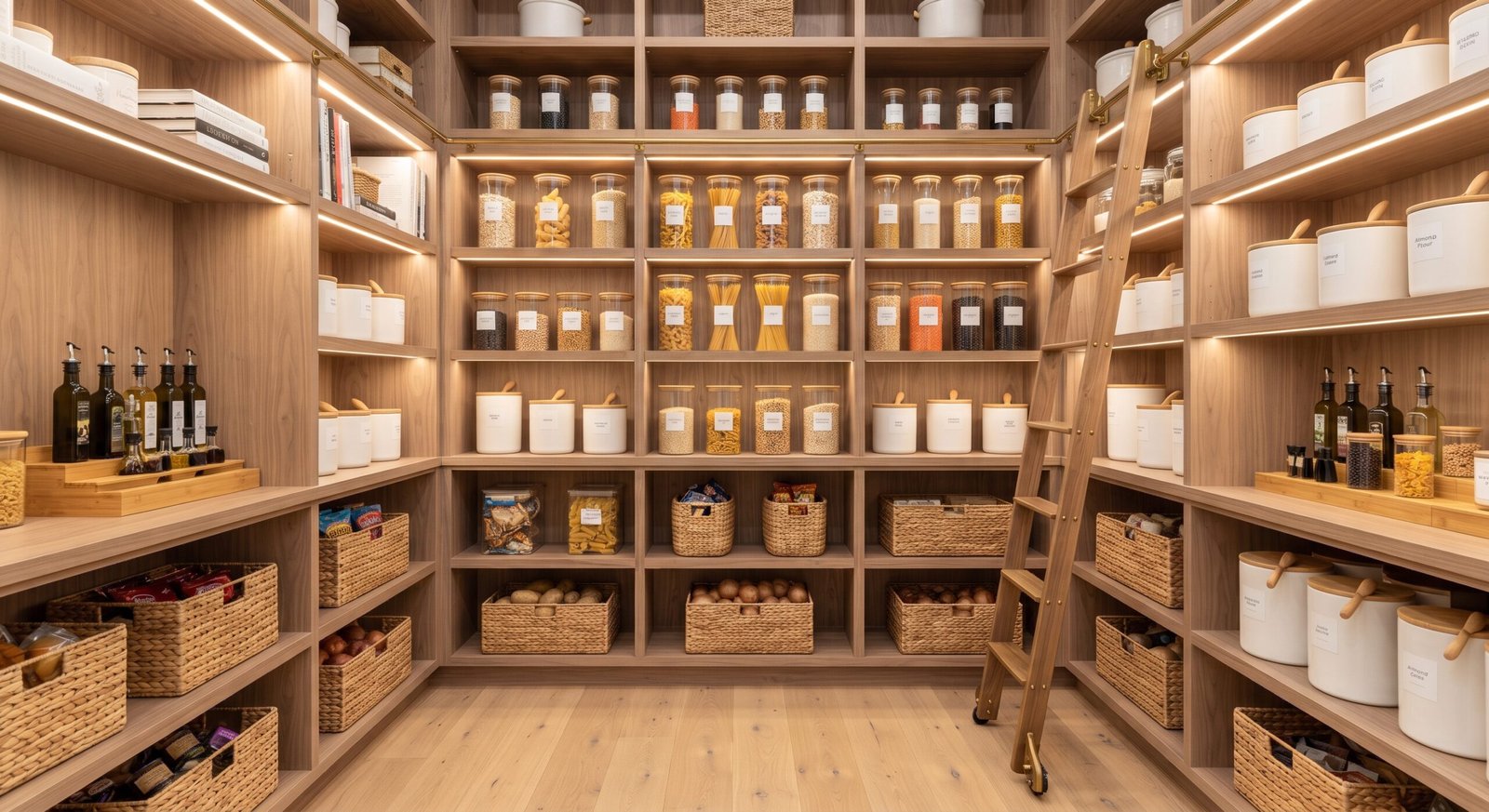
A well-stocked kitchen is the cornerstone of effortless cooking, stress-free meal planning, and creative culinary experimentation. However, opening a chaotic cupboard filled with expired spices, mismatched bags, and forgotten canned goods can make cooking feel like a chore. Mastering the art of managing your pantry essentials changes everything, turning your kitchen into an efficient, inspiring space.
Whether you are starting from scratch in a new home or looking to audit and streamline your current kitchen setup, knowing which staples to buy and how to organize them saves both time and money. In this comprehensive guide, we will explore the core pantry essentials every home chef needs to whip up delicious meals at a moment’s notice.
Key Takeaways
- Stock Versatile Dry Goods: Keep foundational ingredients like grains, legumes, and various flours on hand to build meals from scratch effortlessly.
- Invest in Airtight Canister Storage: Transfer dry goods into clear, airtight containers to lock in freshness and prevent household pests.
- Build a Dynamic Flavor Foundation: Maintain a robust selection of oils, vinegars, dried herbs, and spices to instantly elevate simple weeknight dishes.
- Group Items by Frequency of Use: Keep your most frequently used ingredients at eye level, reserving upper and lower shelves for backups and specialty items.
1. Building Your Dry Goods and Grain Foundation
The backbone of any functional kitchen consists of non-perishable dry goods. Having a reliable supply of grains, legumes, and baking staples means you can always pull together a hearty meal, even when the refrigerator looks bare.
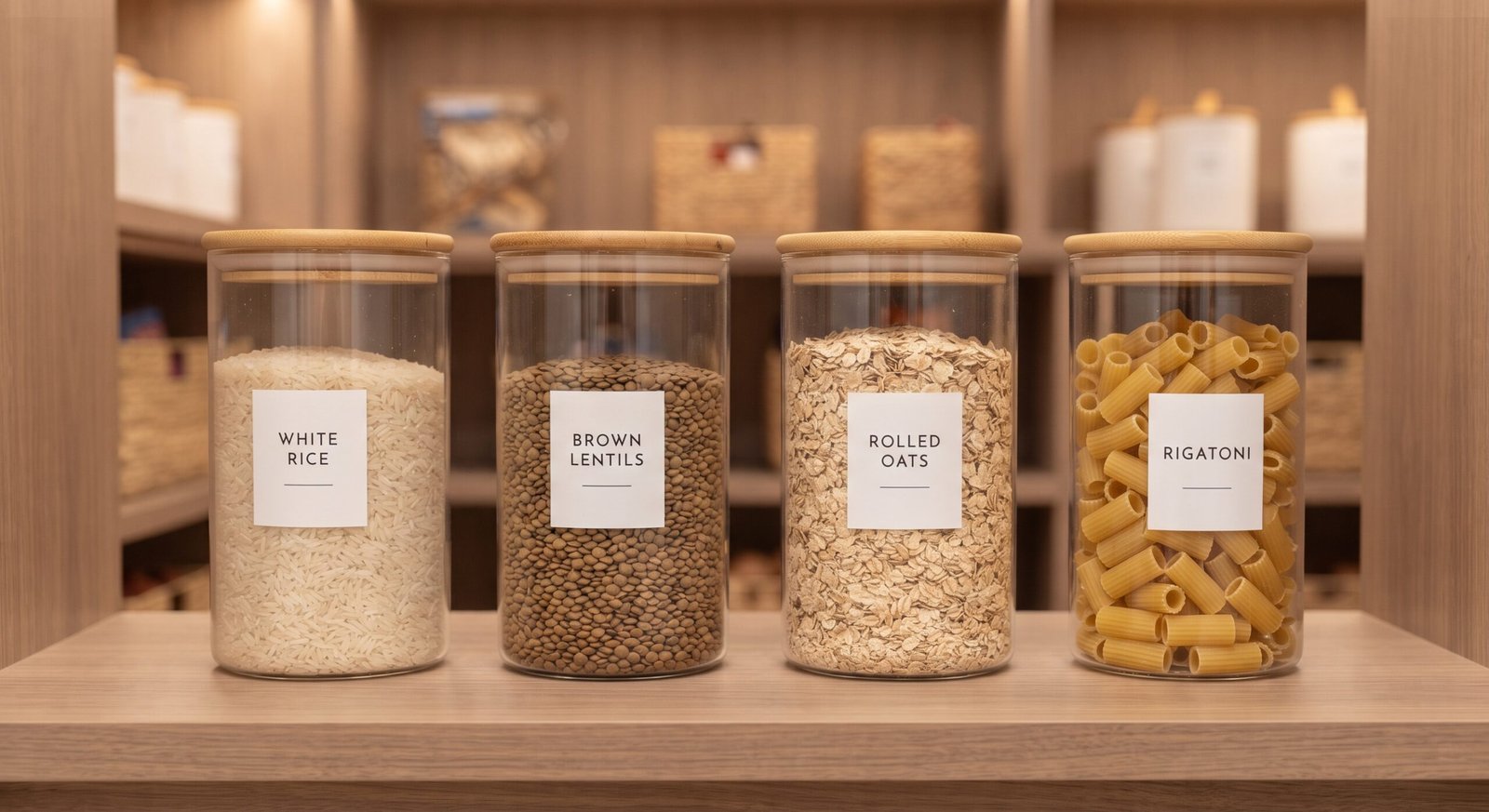
- Grains and Pasta: Stock versatile options like jasmine rice, rolled oats, quinoa, and a variety of pastas (such as spaghetti and penne).
- Baking Staples: Keep all-purpose flour, granulated sugar, brown sugar, baking powder, and kosher salt securely stored.
“A thoughtfully stocked pantry is your greatest culinary insurance policy—it bridges the gap between having no groceries and creating a comforting, delicious meal.”
2. Comparing Pantry Storage and Organization Methods
Organizing your ingredients effectively is just as important as buying them. The table below compares the most effective strategies for storing and categorizing your pantry essentials:
| Storage Method | Best Suited For | Primary Benefit |
| Airtight Glass Canisters | Flours, sugars, grains, and snacks | Locks out moisture and pests while offering a clear view of contents. |
| Stackable Acrylic Bins | Packaged pouches, baking mixes, and cans | Maximizes deep shelf space and prevents smaller items from getting lost. |
| Lazy Susans / Turntables | Oils, vinegars, sauces, and condiments | Eliminates blind spots by spinning items into easy reach. |
| Tiered Shelf Risers | Canned goods and spice jars | Elevates back rows so labels remain fully visible at a glance. |
Storing grains and legumes in airtight containers at room temperature extends their shelf life significantly by preventing oxidation and insect contamination.
3. Oils, Vinegars, and Flavor Enhancers
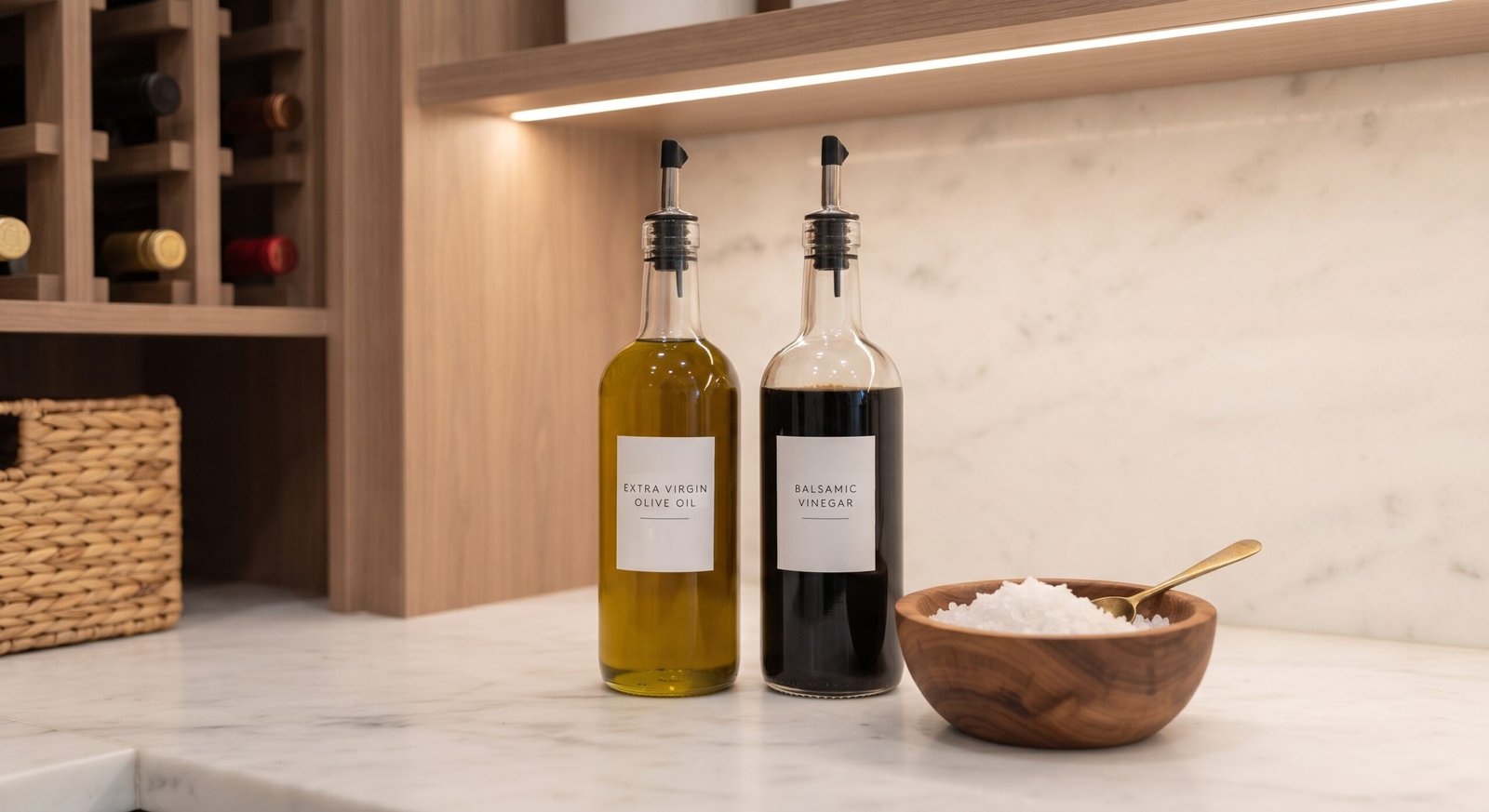
Dry goods provide the bulk of your meals, but flavor enhancers bring them to life. A curated selection of high-heat oils, finishing oils, and acids transforms basic ingredients into gourmet dishes.
- Cooking Oils: Keep a neutral high-smoke-point oil like avocado or canola oil for searing, alongside a quality extra virgin olive oil for dressings and low-heat sautéing.
- Vinegars: Stock apple cider vinegar, balsamic vinegar, and white wine vinegar to easily balance acidity in sauces and marinades.
4. Maintenance and Smart Inventory Tracking
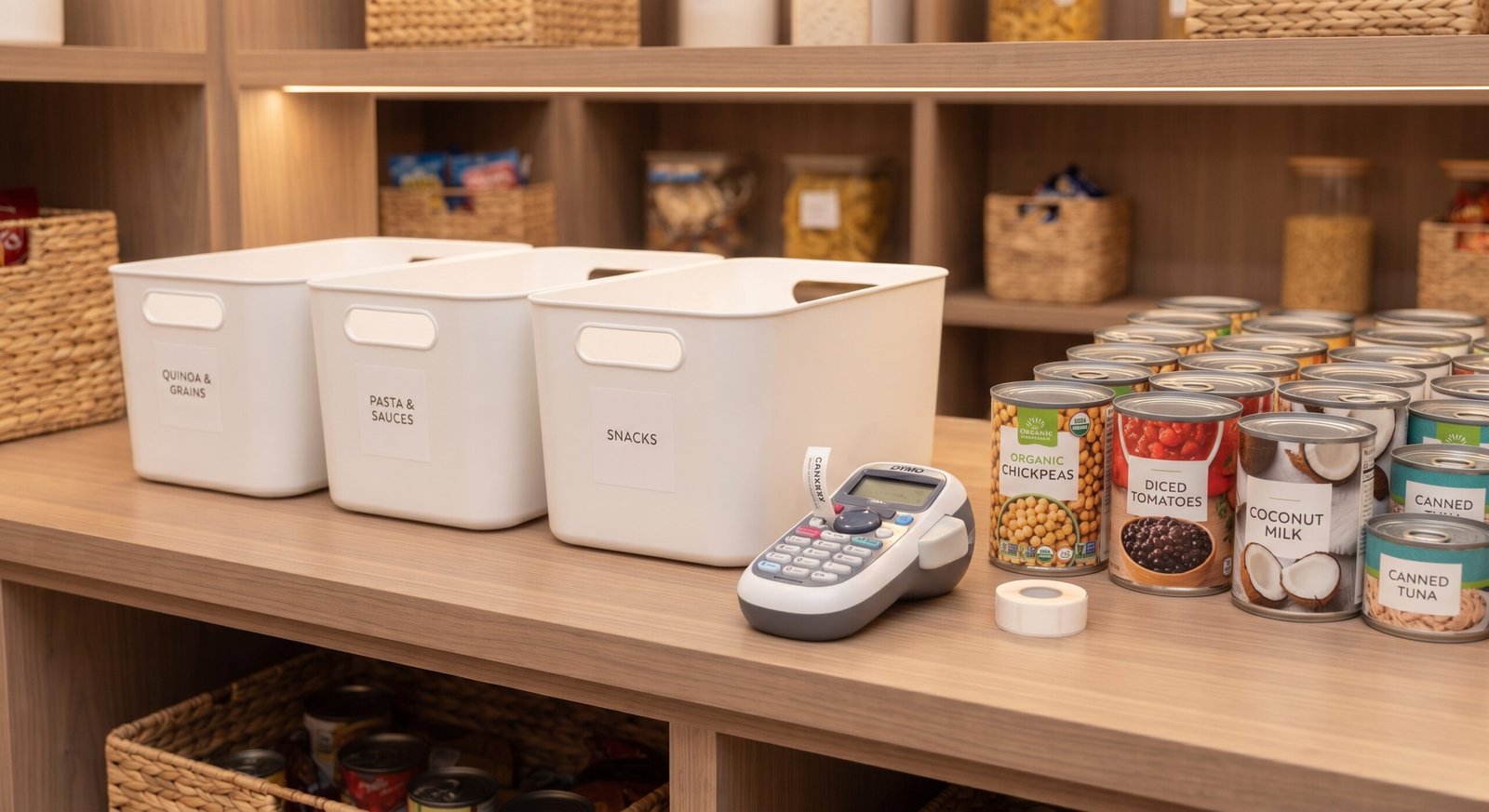
Even the best collection of pantry essentials can fall into disarray if items expire unnoticed. Establish a routine where you audit your shelves every few months, move older items to the front (the FIFO method—First In, First Out), and wipe down storage bins.
Conclusion
Curating and organizing your pantry essentials empowers you to cook with confidence, reduce food waste, and streamline your daily routine. By investing in airtight storage, keeping core dry goods stocked, and maintaining an orderly layout, your kitchen will always be ready for your next culinary adventure.
Frequently Asked Questions
What are the absolute non-negotiable pantry essentials for a beginner?
A beginner’s pantry should always include salt, black pepper, extra virgin olive oil, a neutral cooking oil, all-purpose flour, white or brown rice, canned tomatoes, chicken or vegetable broth, and basic pasta.
How do I keep pantry bugs and weevils away from my dry goods?
The best defense against pantry pests is transferring dry goods (like flour, rice, and oats) out of their cardboard packaging and into heavy-duty airtight glass or plastic containers. Inspect store-bought grains upon arrival, as pests are often brought in from the store rather than originating in your home.
How long do dried spices last in the pantry?
While dried spices rarely spoil in terms of safety, they lose their potency and volatile oils over time. Ground spices typically retain optimal flavor for 6 to 12 months, while whole spices (like nutmeg or whole peppercorns) can stay fresh for up to 2 to 3 years.
1 thought on “Pantry Essentials: Ultimate Kitchen Storage Guide”