
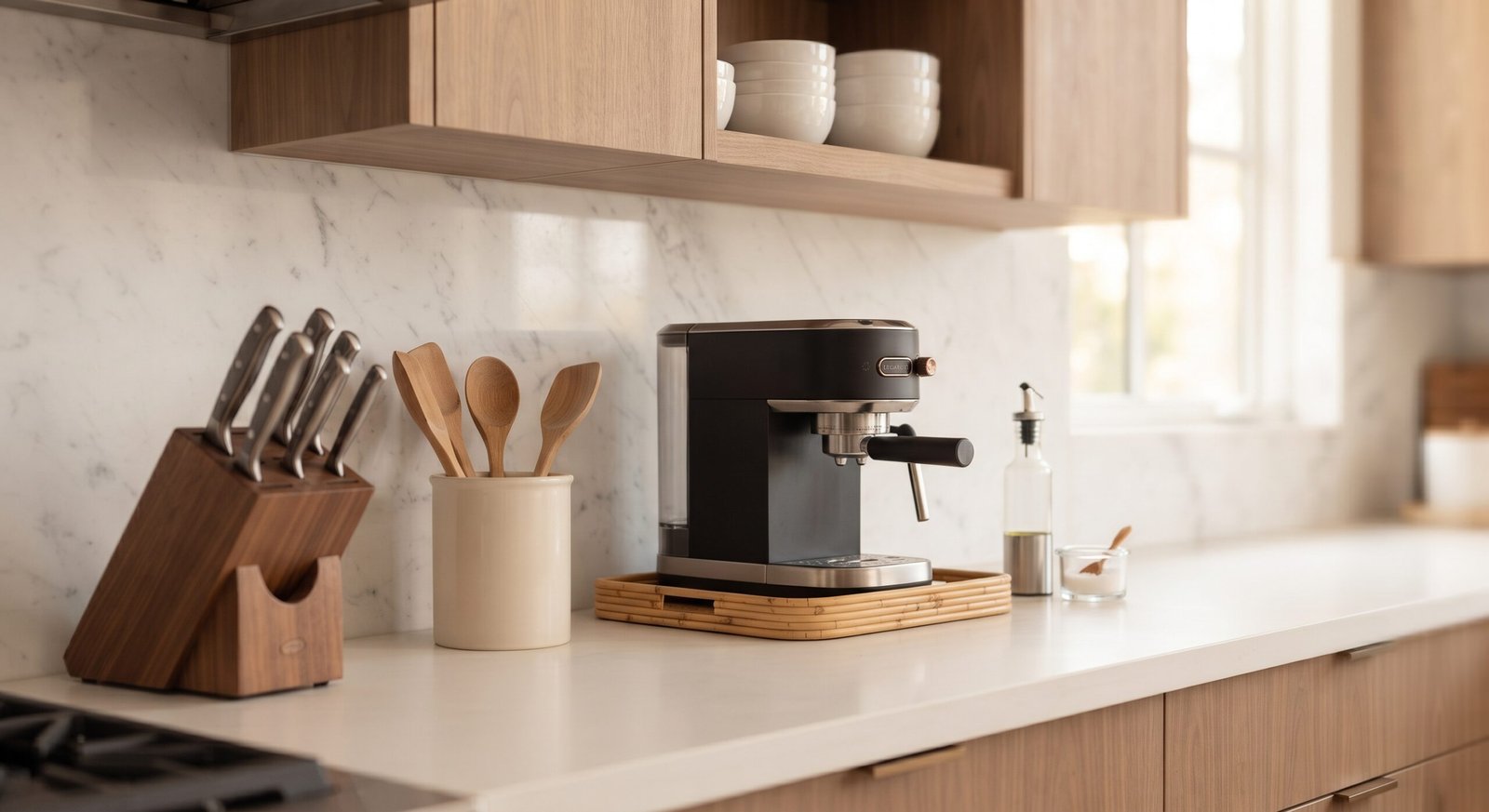
Kitchen counters are the hardworking surface areas of the home, serving as food prep stations, landing zones for groceries, and casual coffee bars. However, they are also prone to becoming magnets for mail, stray appliances, and general household clutter. Achieving effective countertop organization is essential not only for creating a visually serene aesthetic but also for improving your daily culinary efficiency.
When your surfaces are overloaded, cooking becomes frustrating and cleaning feels overwhelming. By implementing strategic countertop organization systems, you can reclaim your workspace, highlight your favorite kitchen aesthetics, and keep daily essentials neatly within arm’s reach.
Key Takeaways
- Clear the Surfaces First: Empty your entire countertop to assess what truly deserves prime real estate and what should be stored away.
- Adopt the “Rule of One”: Limit permanent countertop appliances to items you use daily, such as a coffee maker or toaster, and store intermittent gadgets in cabinets.
- Go Vertical: Utilize wall-mounted rails, magnetic strips, and tiered risers to lift items off the horizontal plane.
- Group into Containment Zones: Use trays or shallow bowls to cluster smaller items like oils, salt cellars, and utensils so they look intentional rather than messy.
1. Assessing and Decluttering Your Surfaces
The foundation of successful countertop organization begins with a clean slate. Over time, items tend to accumulate on kitchen counters simply out of convenience.
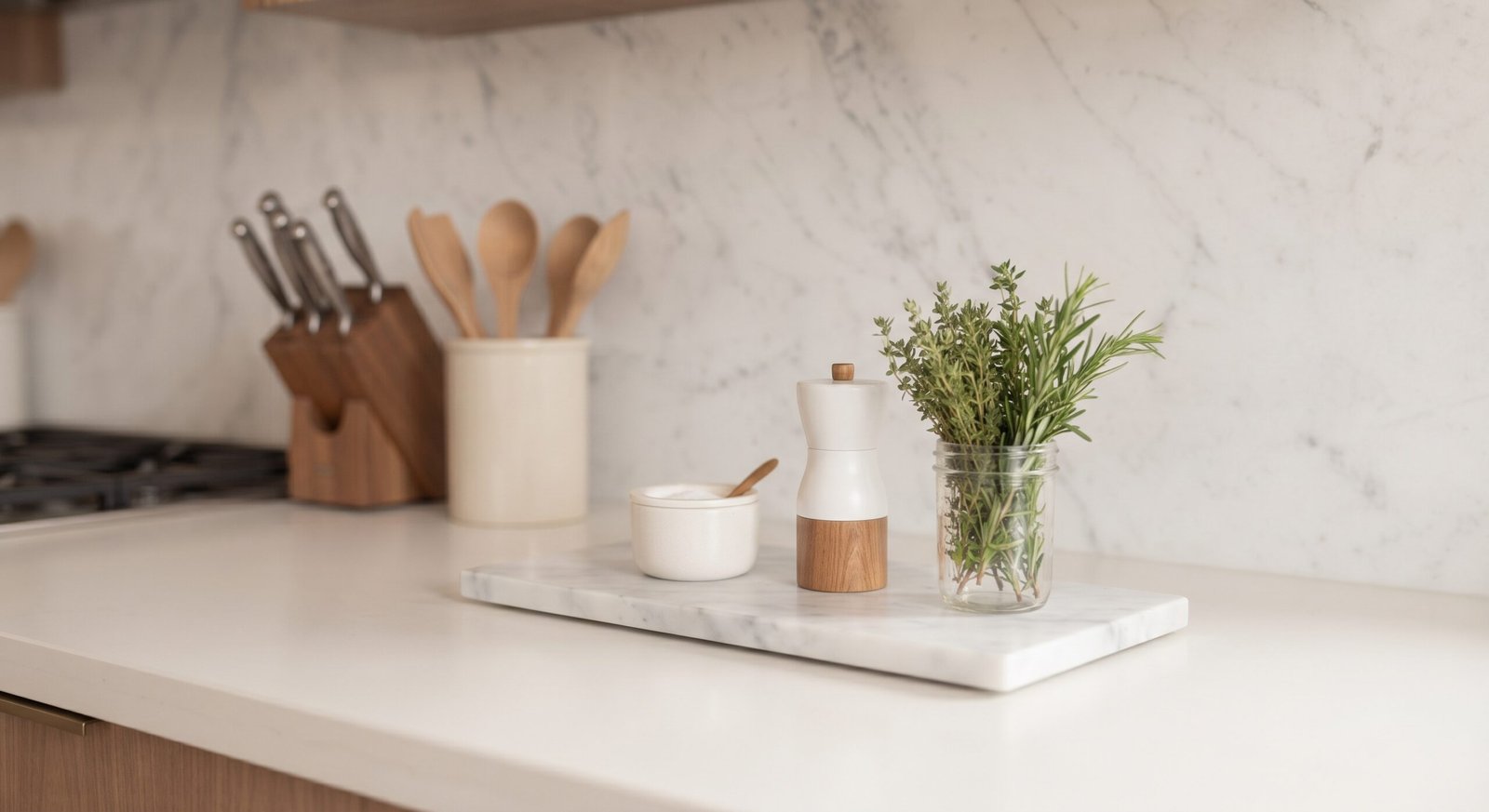
Take everything off your counters and categorize items into three groups: daily essentials, occasional tools, and items that do not belong in the kitchen at all.
“A clutter-free countertop does not mean an empty kitchen; it means every single item on display serves a deliberate daily purpose or brings genuine beauty to the space.”
2. Comparing Countertop Storage Strategies
Different kitchens face different spatial limitations. The table below compares the most effective strategies for managing countertop organization based on layout and appliance needs:
| Storage Strategy | Best Suited For | Primary Benefit |
| Tiered Corner Shelves | Maximizing dead corner spaces | Uses awkward vertical space for spices, oils, or mugs. |
| Wall-Mounted Rails & Hooks | Hanging utensils, mugs, and pans | Frees up valuable horizontal prep space entirely. |
| Decorative Containment Trays | Grouping oils, vinegars, and salts | Prevents items from scattering and makes surface wiping easy. |
| Appliance Garages / Corners | Heavy daily-use coffee or blending gear | Keeps gear accessible while hiding cords and visual noise. |
k
Keeping your primary prep zone within an arm’s reach of both the sink and the stove reduces unnecessary physical strain during meal preparation.
3. Utilizing Vertical Space and Smart Accessories
When horizontal counter space is at a premium, looking upward is the most efficient solution. Installing clever hardware prevents your counters from feeling choked by bulky items.
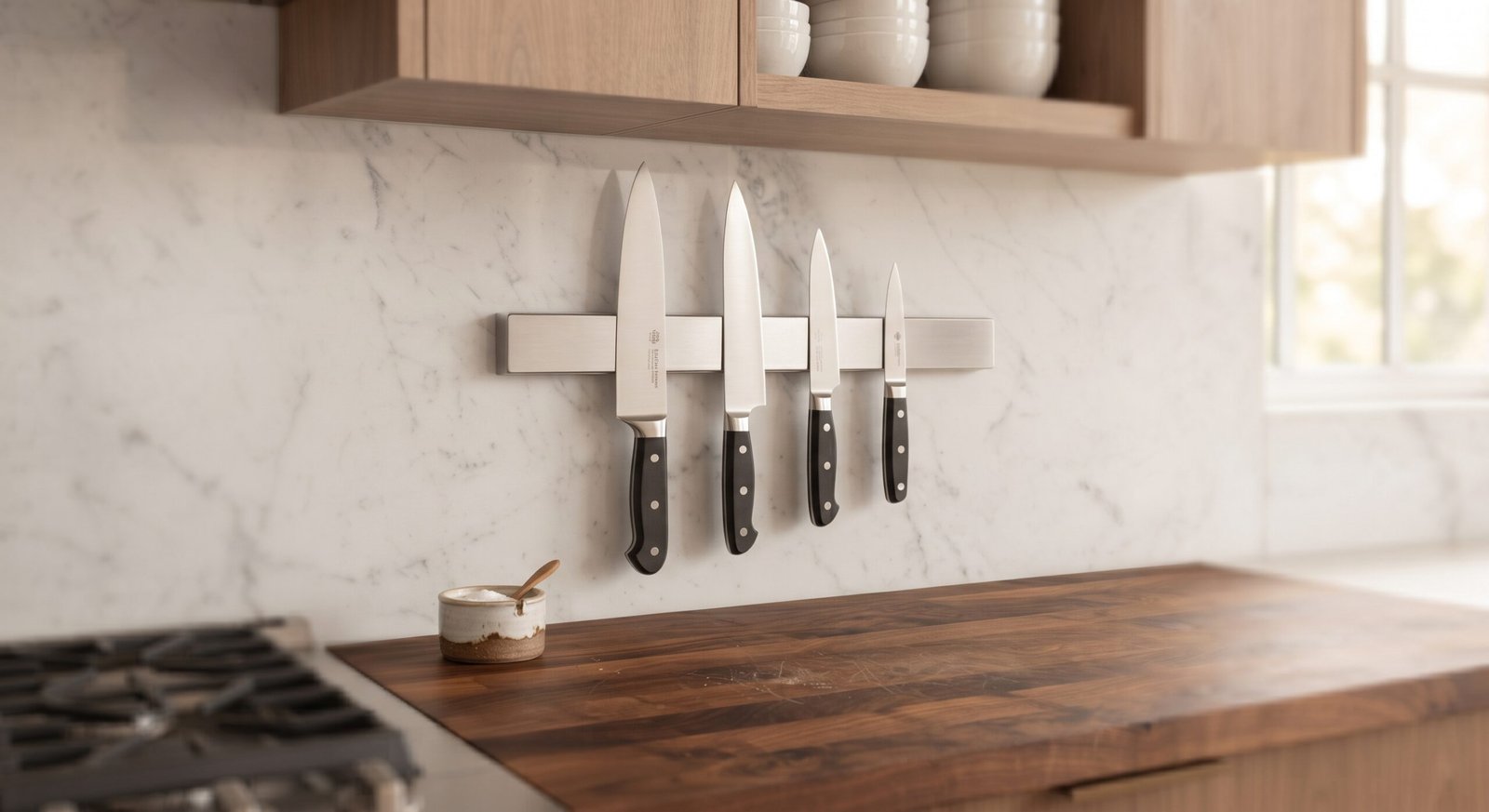
- Magnetic Knife Strips: Mount a sleek magnetic strip on the wall to store chef’s knives securely out of drawers while freeing up bulky countertop knife blocks.
- Under-Cabinet Baskets: Hang wire baskets beneath upper cabinets to store frequently used wraps, foil, or lightweight cookbooks.
4. Maintenance and Daily Habits
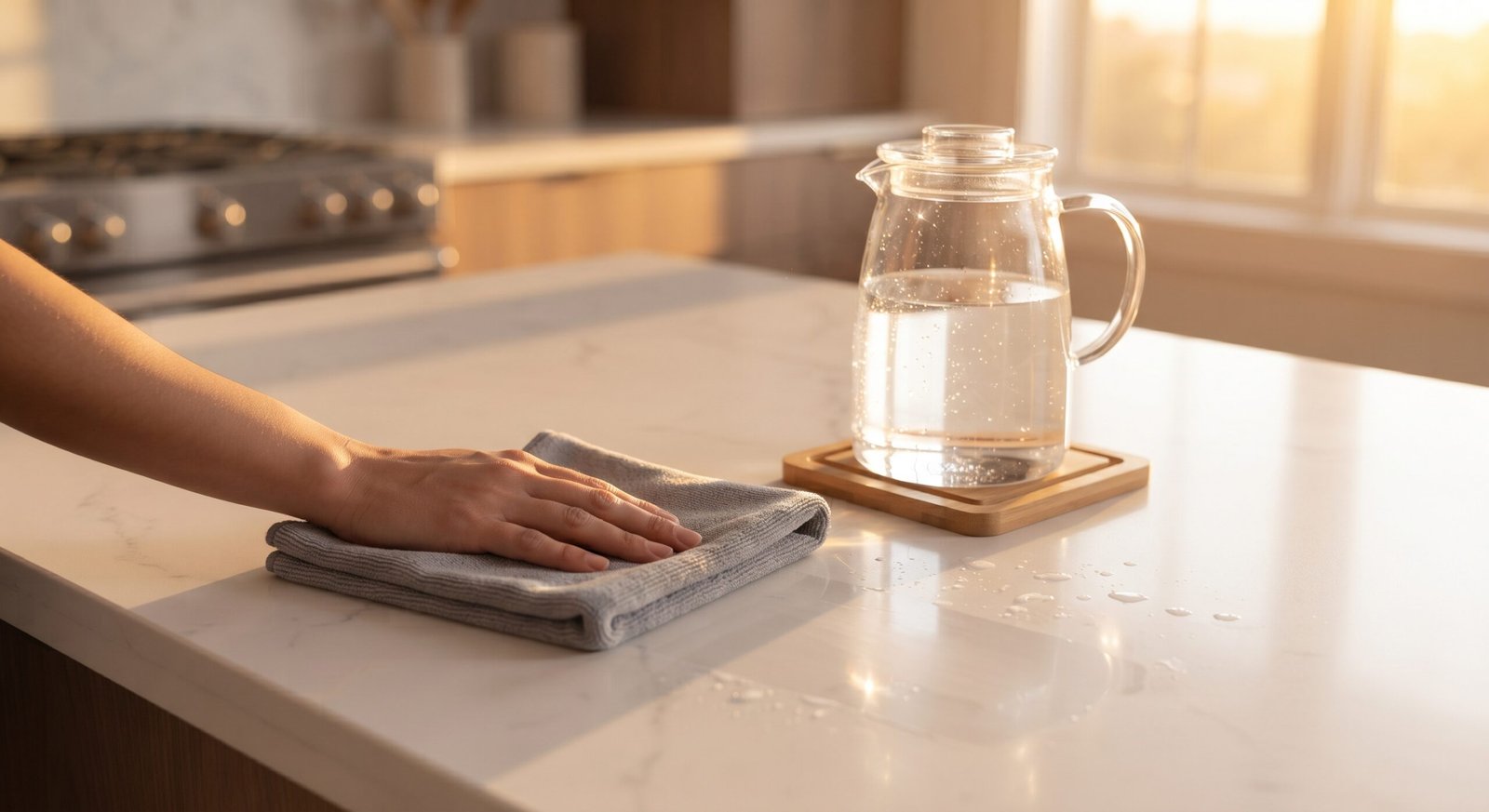
Maintaining pristine countertop organization is an ongoing practice rather than a one-time project. Establish a nightly reset habit: clear away stray mail, load or run the dishwasher, and wipe down surfaces so you wake up to a clean kitchen every morning.
Conclusion
Mastering countertop organization transforms your kitchen into a more functional, welcoming, and inspiring space. By decluttering ruthlessly, grouping items into purposeful trays, and utilizing vertical walls, you can maintain clean surfaces that make cooking an absolute pleasure.
Frequently Asked Questions
What should I do with appliances I only use occasionally?
Appliances you use less than once a week—such as ice cream makers, waffle irons, or heavy stand mixers—should be moved to lower cabinets, pantries, or designated appliance garages to free up precious counter space.
How can I keep mail and paperwork off my kitchen counters?
Designate a specific “landing zone” or drop-basket outside the kitchen (such as in a mudroom or entryway) for incoming mail. Enforce a strict rule that paper clutter is never allowed to live on kitchen food prep surfaces.
How do I organize small items like dish soap and sponges?
Keep sink-side clutter contained by placing dish soap, hand lotion, and scrub brushes on a dedicated silicone or ceramic tray next to the faucet. Consider using a discreet under-sink caddy for sponges and cleaning solutions when they are not actively in use.
1 thought on “Countertop Organization: How to Clear Kitchen Clutter”