

In today’s fast-paced world, our homes are meant to be sanctuaries—places where we can unwind, recharge, and escape the relentless chaos of daily life. Yet, for millions of homeowners across the United States, living spaces often become quietly overwhelmed by an accumulation of clothes, gadgets, paperwork, and miscellaneous items. When physical spaces fill up with excess, mental fatigue and daily friction quickly follow. Mastering the art of decluttering is not merely about tidying up for guests; it is about reclaiming your time, reducing cortisol levels, and designing an environment that actively supports your lifestyle.
Whether you are preparing to list your property on the real estate market, transitioning to an intentional lifestyle, or simply tired of tripping over misplaced items, starting a structured decluttering routine can feel overwhelming without a blueprint. This comprehensive guide will walk you through a proven, room-by-room system, powerful sorting frameworks, and sustainable daily maintenance habits to transform your living space permanently.
Key Takeaways
- Start Small to Build Momentum: Begin with a single drawer or small desktop rather than attacking an entire basement or garage at once to prevent decision fatigue.
- Adopt the Four-Box Method: Sort every single item into distinct categories of keep, donate, sell, or trash to streamline your decision-making process.
- Evaluate by Utility and Intent: If an item hasn’t been actively used in the past year and holds no genuine sentimental value, it is time to release it.
- Establish Daily Reset Habits: Dedicate 10 to 15 minutes each evening to clear surfaces and reset common living areas so clutter never accumulates again.
1. The Psychological Cost of Holding On
Scientific research consistently demonstrates that physical clutter directly increases cortisol and stress levels in the home. When your visual field is constantly bombarded by unfinished tasks, piles of mail, and disordered objects, your brain struggles to focus and relax. Effective decluttering clears this visual noise, allowing you to experience greater mental clarity, lower anxiety, and enhanced productivity.
“A clutter-free home is not born from an obsession with perfection, but from a conscious commitment to making space for the things, people, and experiences that truly matter.”

2. Comparing Proven Decluttering Frameworks
Different personalities and homes require different approaches when tackling household accumulation. The table below compares the most effective frameworks utilized by professional organizers across the US market:
| Decluttering Method | Best Suited For | Primary Benefit |
| The Four-Box Method | Whole-room cleanouts & garage sorting | Organizes items instantly into keep, donate, sell, and trash bins. |
| The KonMari Method | Closets, sentimental items, and clothing | Focuses purely on emotional resonance and items that spark joy. |
| The 12-12-12 Challenge | Overwhelmed beginners seeking quick wins | Identifies 12 items to throw away, 12 to donate, and 12 to return home. |
| The 90/90 Rule | Managing seasonal wardrobes and gadgets | Asks if you have used the item in the last 90 days and will use it in the next 90. |
Maintaining clear traffic pathways and simplified storage systems reduces household cleaning and tidying time by up to 40 percent every week.
3. The Room-by-Room Decluttering System
Tackling an entire house at once is the primary reason home organization projects fail. Breaking your living space down into manageable zones keeps the process structured and rewarding.
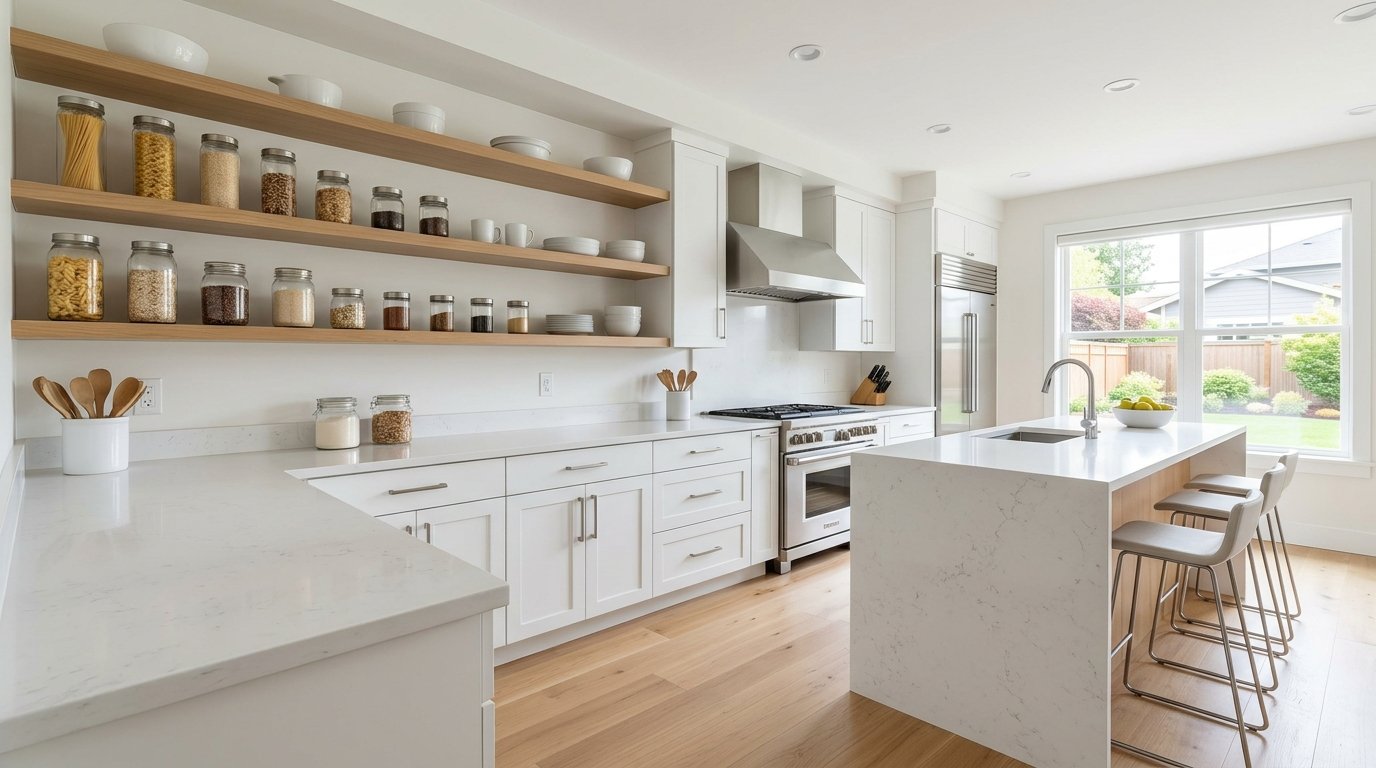
The Kitchen and Pantry
The heart of the American home often collects duplicate gadgets, expired spices, and chipped dishware. Clear out countertops completely and streamline your food storage bins.
Living Rooms and Common Areas
Living rooms easily turn into drop zones for mail, children’s toys, and seasonal throws. Introduce closed storage ottomans and decorative woven baskets to corral everyday items out of sight.

4. Executing the Four-Box System
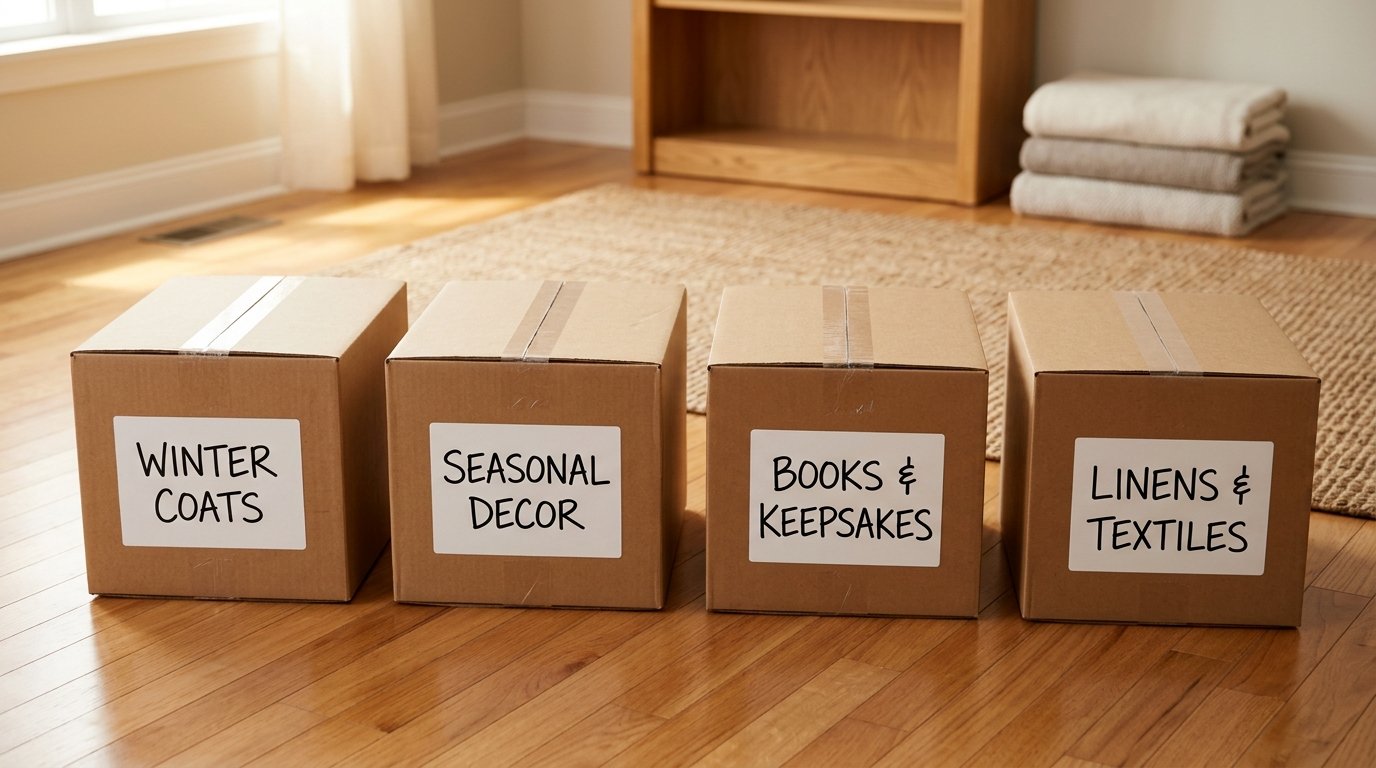
When you dive into a crowded bedroom closet or storage room, indecision is your greatest obstacle. The Four-Box Method eliminates guesswork by requiring you to label four distinct containers before you touch a single object:
- Keep: Items you use regularly or cherish deeply that genuinely belong in this exact space.
- Donate: Good-condition items that no longer serve your life but could benefit someone else in your local community.
- Sell: Higher-value items, electronics, or designer clothing that you can list on online marketplaces or local consignment shops.
- Trash / Recycle: Broken, expired, or worn-out items that have reached the end of their functional lifespan.
5. Overcoming Emotional and Financial Attachment
One of the hardest hurdles in decluttering is letting go of items tied to memories, past versions of yourself, or expensive guilt purchases. Remind yourself that true memories reside in your heart and mind—not in a broken kitchen appliance or an unworn dress hanging in the back of your closet.
- Take Photos of Sentimental Objects: If you struggle to part with a child’s artwork or a vintage heirloom you do not display, snap a high-resolution photo for a digital memory album before letting the physical object go.
- Release Sunk Costs: Recognize that the money you spent years ago on an unused treadmill or specialty gadget is already gone; keeping it only robs you of valuable square footage and peace of mind.

6. Sustainable Habits to Prevent Future Buildup
Once your home is successfully cleared, the secret to keeping it that way lies in micro-habits. Without simple daily upkeep, clutter creeps back in surprisingly fast.
- The One-In, One-Out Rule: For every new item you purchase and bring into your home (whether a new sweater, book, or kitchen appliance), commit to donating or discarding one similar item.
- Nightly 10-Minute Reset: Before going to bed, spend ten minutes clearing coffee mugs, folding living room throws, and returning stray items to their designated homes.

Conclusion
Embracing a systematic approach to decluttering is one of the most empowering investments you can make in your home, your family, and your overall well-being. By breaking the process down room by room, utilizing sorting frameworks like the Four-Box Method, and committing to simple daily habits, you can permanently transform a chaotic house into a peaceful, highly functional sanctuary.
Frequently Asked Questions
How do I start decluttering when I feel completely overwhelmed?
Start ridiculously small. Set a timer for just 10 minutes and focus on a single drawer, a nightstand surface, or one shelf in your pantry. Building small micro-habits creates psychological momentum that makes larger spaces much less intimidating to tackle later.
What should I do with sentimental items I cannot bear to throw away?
Designate one single “memory box” per family member. Once that box is completely full, any new sentimental items must replace something already inside. This allows you to cherish your most precious keepsakes without letting nostalgia take over your entire home.
How often should I declutter my entire house?
While a deep, comprehensive decluttering session is best performed twice a year (such as during spring and autumn seasonal transitions), practicing the “one-in, one-out” rule year-round ensures your home stays balanced and orderly without requiring massive overhaul weekends.
1 thought on “Decluttering Your Home: 5 Steps to a Stress-Free Space”