
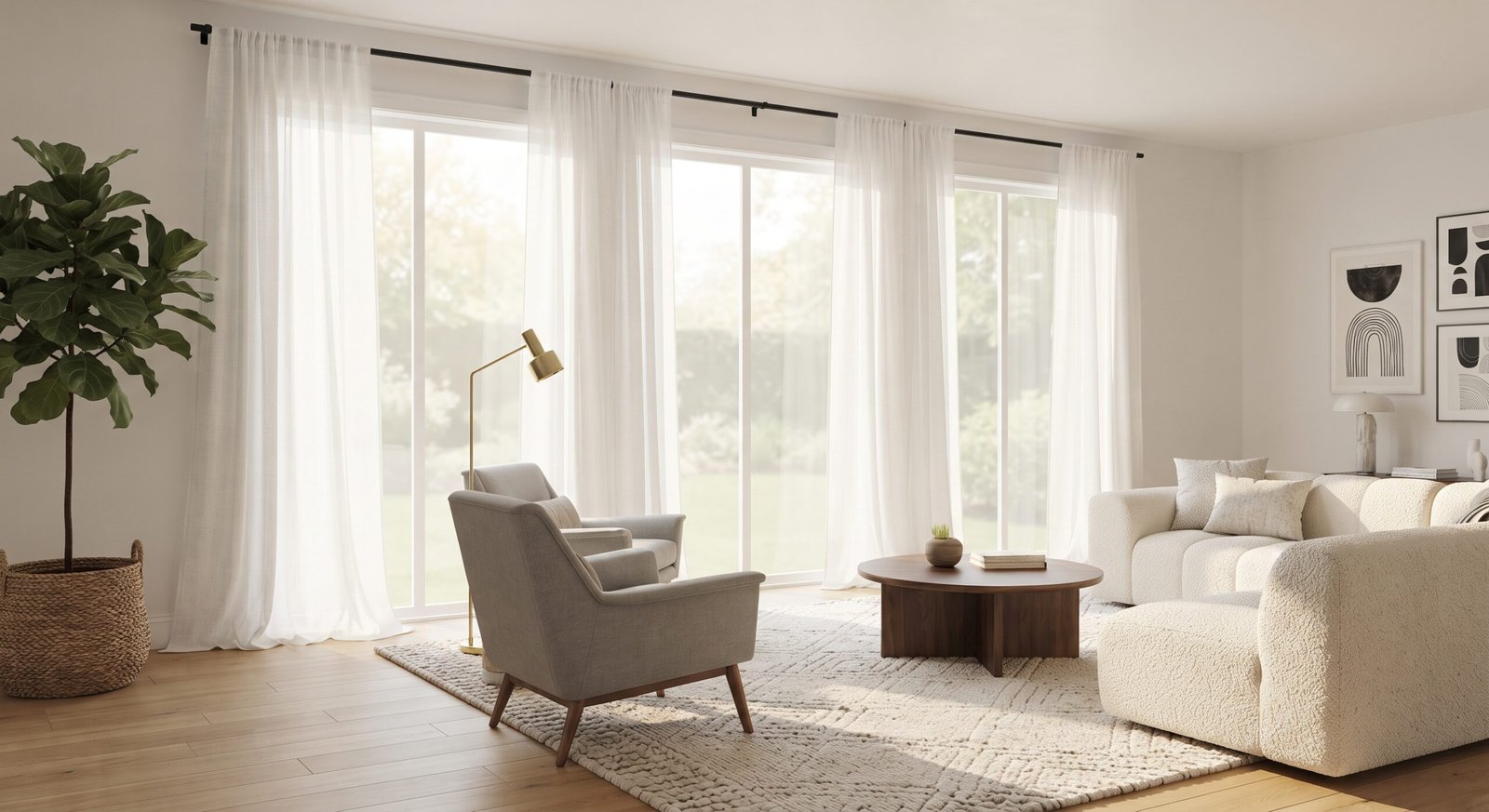
Windows are the architectural eyes of your home, connecting interior spaces with the outside world. However, bare glass can leave a room feeling stark, cold, and exposed. Mastering the art of selecting and styling window treatments & curtains is one of the most transformative updates you can make to your interior design.
Beyond mere aesthetics, proper window dressings regulate natural light, enhance privacy, and even improve your home’s thermal efficiency. Whether you are aiming for airy minimalist vibes or dramatic, hotel-luxury drapery, understanding how to choose the right hardware, fabrics, and lengths makes all the difference. In this comprehensive guide, we will explore professional strategies to elevate your home using expert window treatments & curtains.
Key Takeaways
- Hang High and Wide: Mount your curtain rods 4 to 6 inches above the window frame (or closer to the ceiling) and extend them outward to make windows appear larger.
- Prioritize Fabric Weight: Match your fabric choice to your functional needs—sheers for diffused light, cottons for everyday versatility, and heavy velvets for insulation and blackout capabilities.
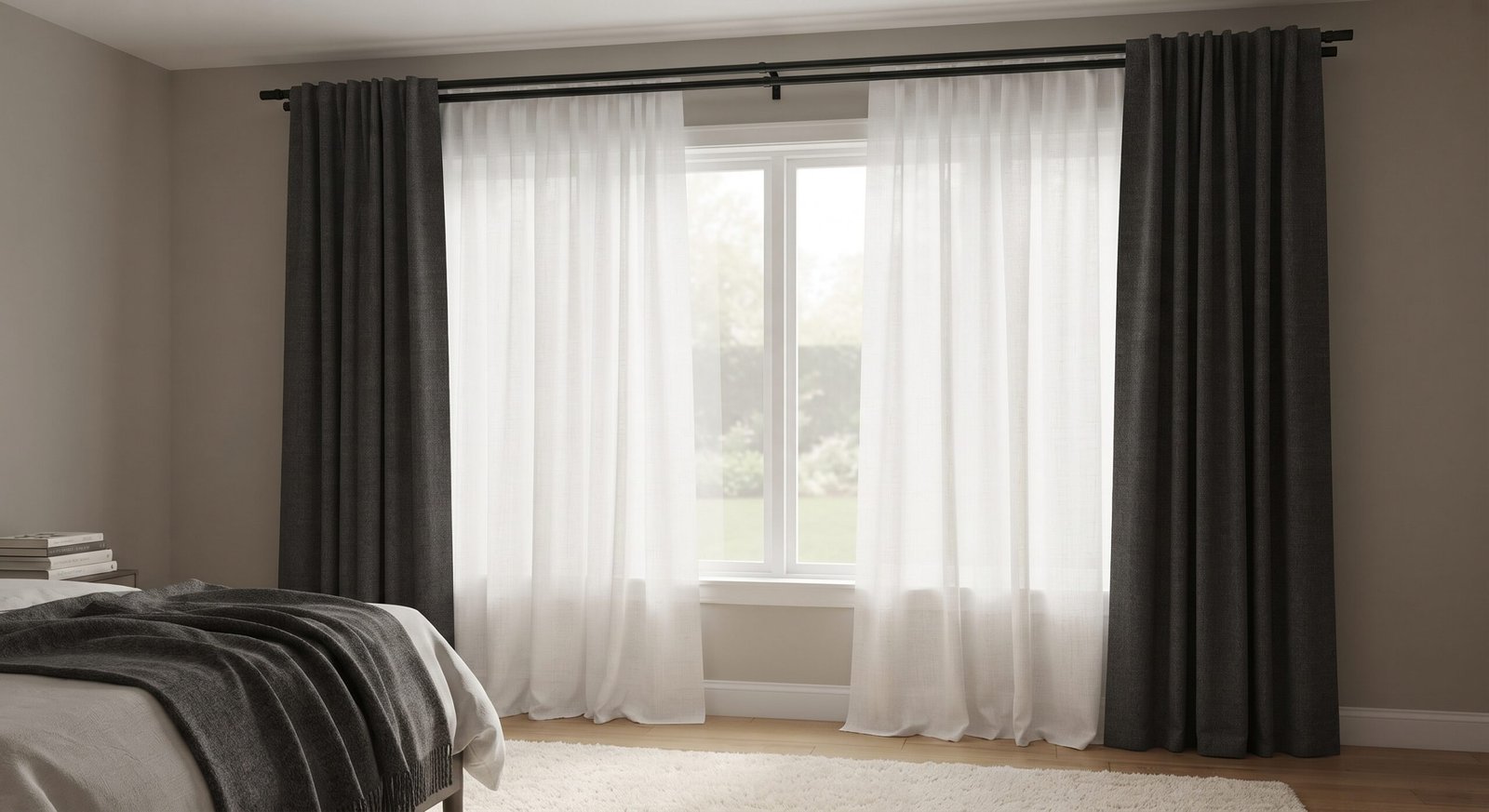
- Layer for Depth: Combine sheer panels with heavier drapes or blinds to add visual dimension and flexible light control.
- Mind the Length: Ensure your curtains either graze the floor lightly (a clean break) or puddle slightly for an opulent, dramatic look.
1. The Anatomy of Successful Window Styling
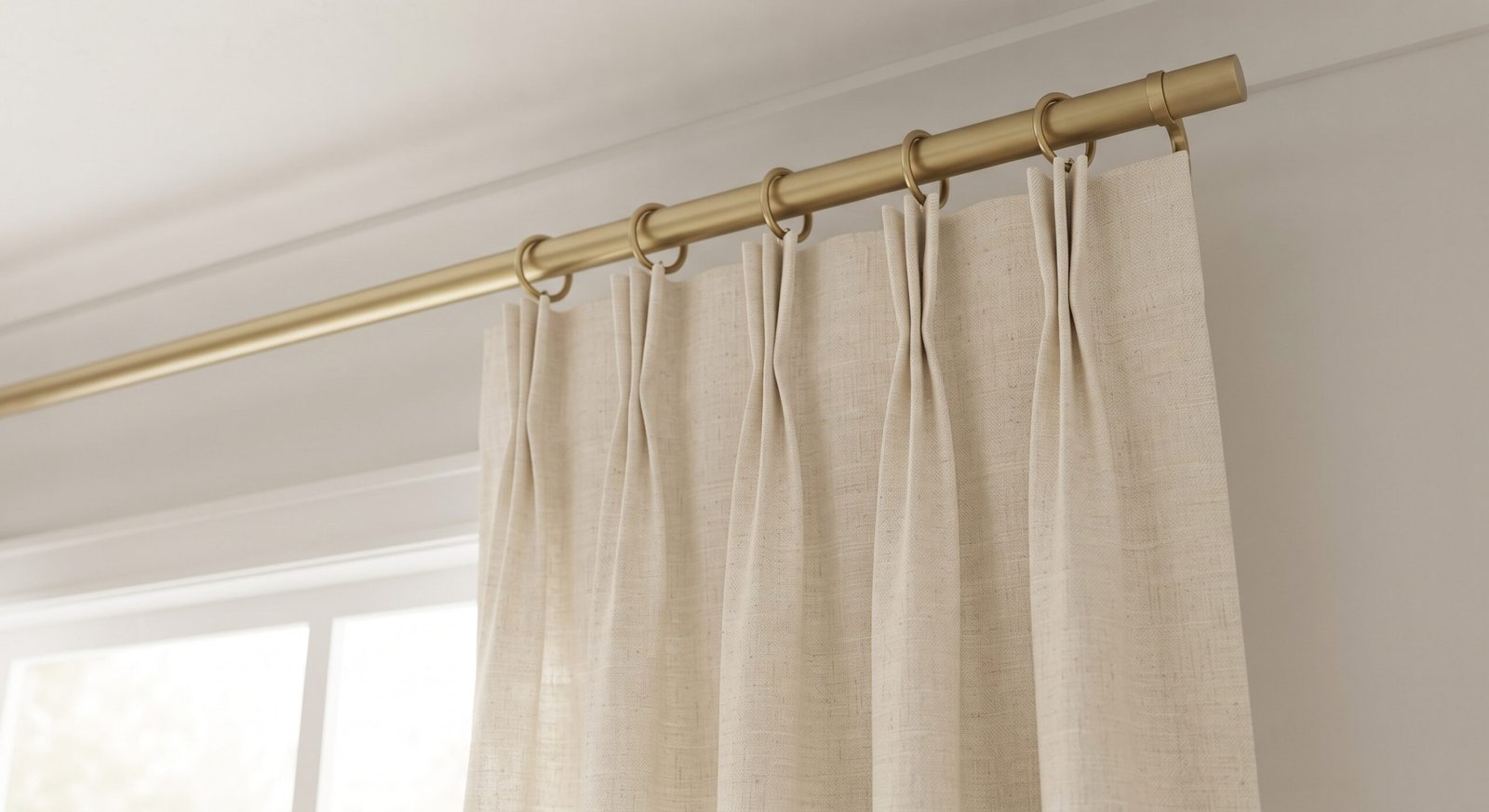
Before purchasing fabric, you need to understand how proportions affect a room. One of the most common decorating mistakes is hanging curtains directly on the window frame, which visually shrinks the window and cuts off natural light.
Instead, install your curtain hardware significantly higher and wider than the glass. This simple trick tricks the eye into perceiving larger windows and loftier ceilings.
“Properly hung window treatments act like custom tailoring for your room, instantly elevating the perceived scale and architectural quality of the space.”
2. Comparing Window Treatment Styles
Different rooms demand different functional and aesthetic solutions. The table below compares the most effective options for window treatments & curtains:
| Treatment Type | Best Suited For | Primary Benefit |
| Sheer Curtains | Living rooms and sunrooms | Diffuses harsh UV glare while maintaining daytime privacy. |
| Blackout Drapes | Bedrooms and home theaters | Blocks 99% of light and provides thermal insulation. |
| Roman Shades | Kitchens and bathrooms | Offers clean, tailored lines without taking up floor space. |
| Layered Blinds & Curtains | Formal dining and master suites | Ultimate flexibility in light control and opulent texture mixing. |
3. Selecting the Right Fabrics and Textures
The material of your window treatments & curtains dictates how they hang, move, and interact with light. Choosing the correct textile ensures your space feels intentional and balanced.
- Linen and Cotton: Breathable and casual, perfect for breezy coastal, bohemian, or transitional interiors.
- Velvet and Brocade: Heavy and luxurious, ideal for traditional or moody spaces where warmth and sound absorption are priorities.
- Synthetic Blends: Polyester and nylon blends offer durability and wrinkle resistance, making them low-maintenance options for high-traffic family rooms.
4. Hardware, Rods, and Practical Installation
The hardware holding your curtains together plays a critical role in the final look. Ensure your curtain rod diameter matches the scale of your room—thicker rods (1.5 inches or more) look substantial in large rooms, while slender rods suit delicate or small spaces.
Conclusion
Upgrading your window treatments & curtains is an effective way to inject personality, comfort, and functionality into your home. By hanging rods high, choosing fabrics suited to your lifestyle, and layering textures thoughtfully, you can create a designer-grade finish across every room.
Frequently Asked Questions
How high above a window should I hang curtain rods?
As a rule of thumb, mount your curtain rod 4 to 6 inches above the top of the window frame, or halfway between the frame and the ceiling if you have high ceilings. This creates an illusion of height and makes the windows look larger.
How wide should my curtain panels be?
For a full, luxurious look, your total curtain width should measure roughly 2 to 2.5 times the actual width of the window. If your curtains are too narrow, they will look flat and skimpy when closed.
Can I mix patterns with my window treatments and rugs?
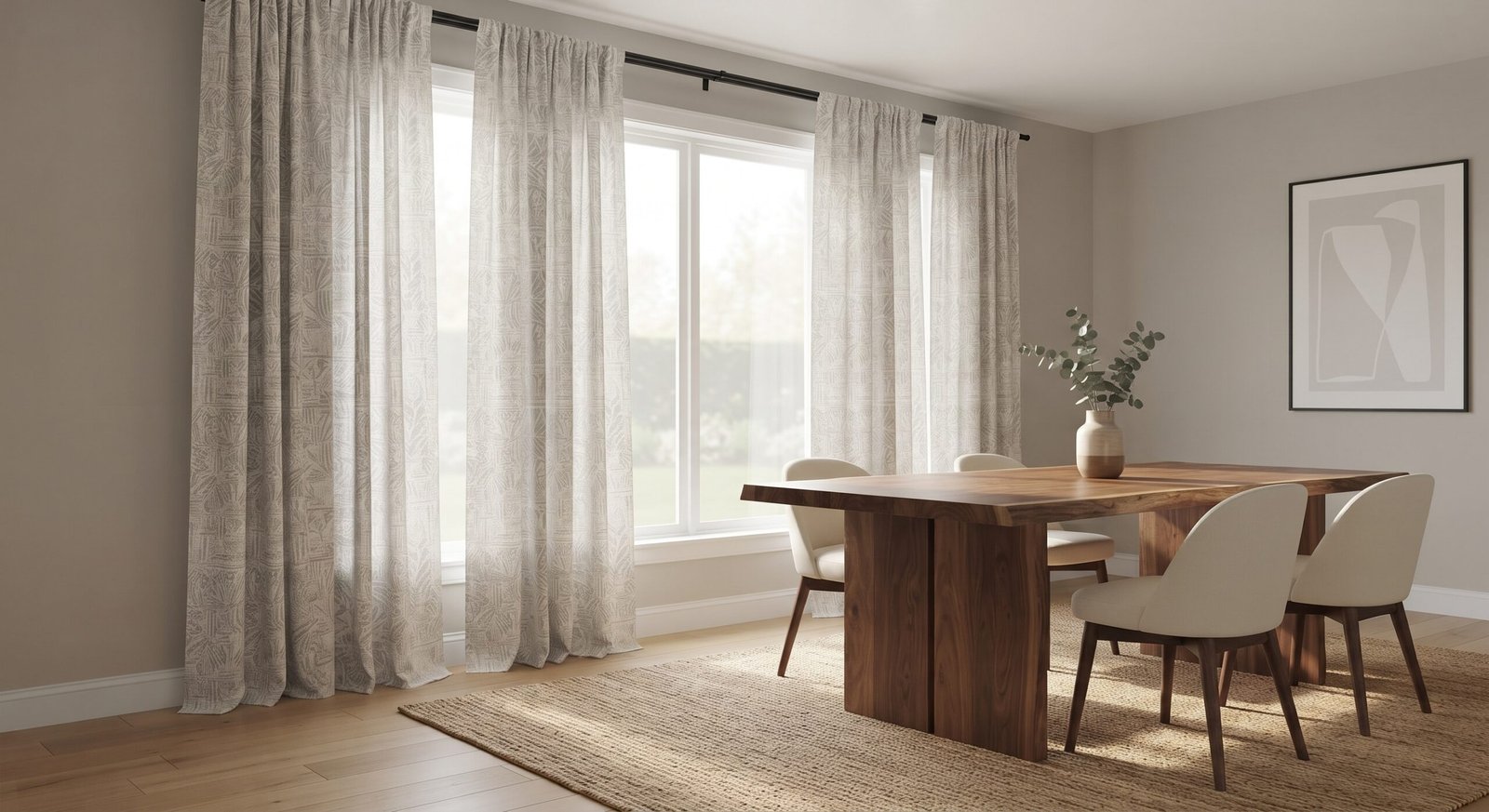
Yes! If your area rug features a bold pattern, opt for solid-colored textured curtains to avoid visual clashing. Conversely, if your walls and rugs are neutral, patterned curtains can serve as a stunning statement focal point.
1 thought on “Window Treatments: Frame Your Rooms in Style”