
Easy home repairs can save you time, money, and stress, and most of them take less than a weekend.
A dripping faucet, a loose cabinet door, or a drafty window may seem minor. But small problems tend to grow, and waiting often leads to bigger bills.
These easy home repairs need only basic tools and a little patience. You’ll get step-by-step guidance, US store picks, safety tips, and clear signs of when to call a pro.
Key Takeaways
- The best easy home repairs use basic tools and take one to four hours.
- Shut off the water or power before you start any plumbing or electrical-related fix.
- A simple toolkit of $50 to $100 covers most of the repairs in this guide.
- Fix small leaks, gaps, and cracks early to prevent bigger damage.
- Know your limits: gas, panels, structural damage, and large mold areas need a pro.
Before You Start: Safety Rules for Easy Home Repairs
Even easy home repairs can go wrong without basic safety habits. Follow these rules every time.
- Shut off the source. Turn off the water at the fixture’s shutoff valve, or switch off the breaker for anything near electricity.
- Wear protection. Use safety glasses, work gloves, and a dust mask when sanding or scraping.
- Test for lead paint. If your home was built before 1978, test paint before you sand or scrape it.
- Read the instructions. Product labels and manufacturer guides give the safest steps.
- Know when to stop. If a repair feels beyond your skill, call a licensed pro.
Your Easy Home Repairs Starter Toolkit
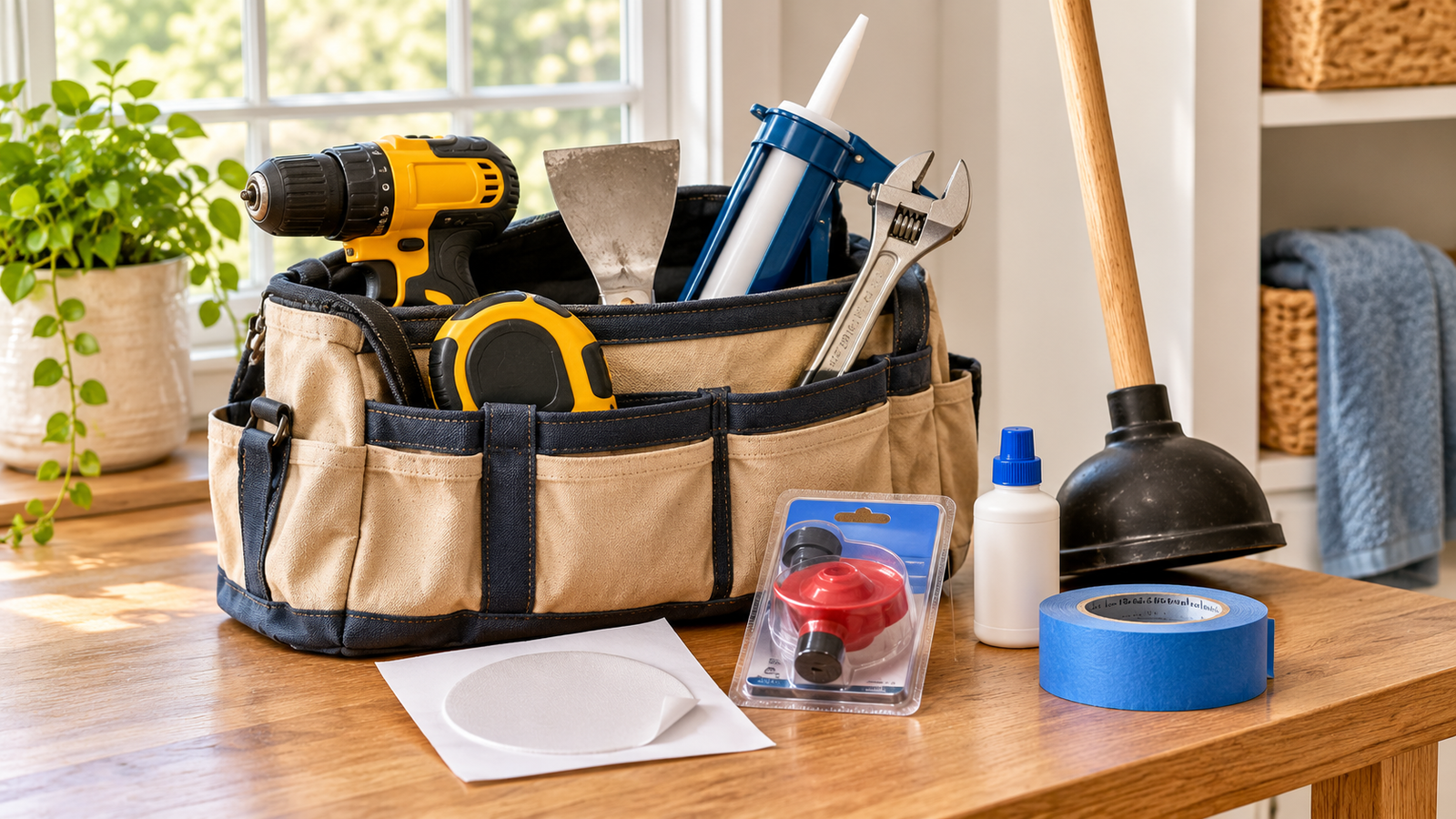
You don’t need a full workshop. A small, well-chosen kit handles most easy home repairs.
- Cordless drill/driver and a bit set
- Tape measure and a 24-inch level
- Adjustable wrench and pliers
- Putty knife and utility knife
- Caulk gun and silicone caulk
- Plunger and a small drain snake
- Painter’s tape and a flashlight
- Stud finder and a multi-bit screwdriver
You can buy a basic kit for about $50 to $100 at Home Depot, Lowe’s, Ace Hardware, or Walmart.
Easy Home Repairs at a Glance
| # | Repair | Est. Cost | Time | Difficulty |
|---|---|---|---|---|
| 1 | Fix a running toilet | $5–$15 | 30 min | Easy |
| 2 | Stop a leaky faucet | $10–$30 | 1 hr | Easy |
| 3 | Unclog a drain | $5–$20 | 30 min | Easy |
| 4 | Patch small drywall holes | $10–$25 | 2 hrs + drying | Easy |
| 5 | Fix a squeaky or sticking door | $0–$10 | 30 min | Easy |
| 6 | Replace bathroom caulk | $5–$15 | 1–2 hrs | Medium |
| 7 | Replace weatherstripping | $10–$25 | 1–2 hrs | Easy |
| 8 | Replace outlet cover plates and test GFCIs | $1–$10 | 30 min | Easy |
| 9 | Change HVAC filters | $10–$40 | 10 min | Easy |
| 10 | Tighten loose cabinet hinges | $0–$15 | 30 min | Easy |
| 11 | Repair cracked grout | $10–$25 | 2–3 hrs | Medium |
Prices are approximate and vary by store and location.
11 Easy Home Repairs Anyone Can Do
1. Fix a Running Toilet
One of the most common easy home repairs is a running toilet. The usual cause is a worn flapper, a cheap rubber part inside the tank.
Turn off the water at the valve behind the toilet, flush to empty the tank, and unhook the old flapper. Take it to the store to match the size, then clip in the new one and reconnect the chain.
2. Stop a Leaky Faucet
A drip can waste gallons every day. Most leaks come from a worn cartridge, washer, or O-ring.
Turn off the supply valves under the sink and plug the drain so no small parts fall in. Remove the handle, replace the worn part with an exact match, and reassemble.

3. Unclog a Drain Without Harsh Chemicals
Start with a plunger, then try a small drain snake to pull out hair and debris. These tools are cheap and safe for most pipes.
Avoid mixing different chemical drain cleaners, which can create dangerous fumes. If water backs up in several fixtures at once, call a plumber.
4. Patch Small Drywall Holes
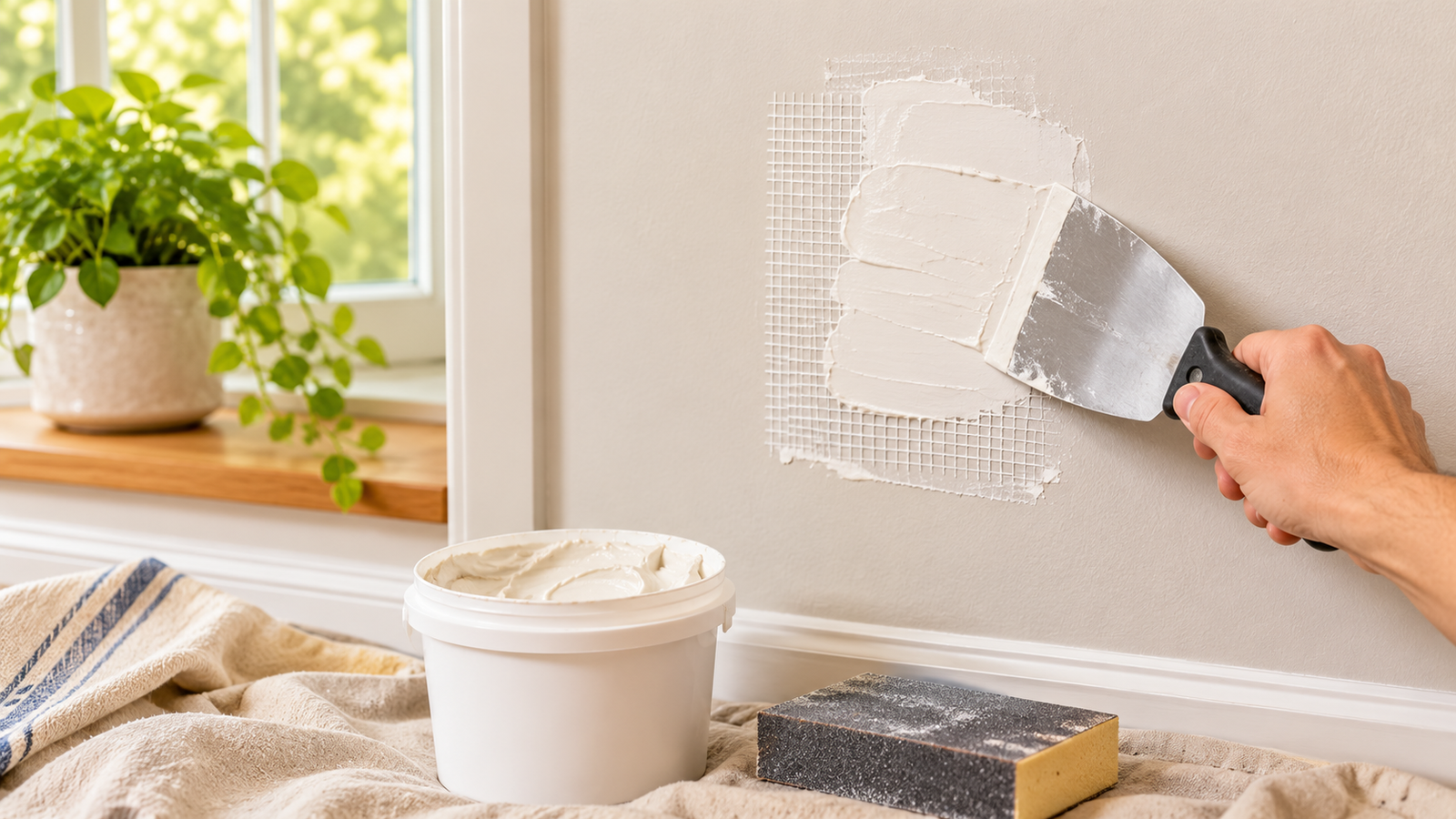
Nail holes and small dents need only spackle and a putty knife. Fill, let it dry, sand lightly, and paint.
For holes up to about 4 to 6 inches, use a self-adhesive mesh patch. Cover it with joint compound in thin layers, feathering the edges so it blends in.
5. Fix a Squeaky or Sticking Door
Squeaks usually mean dry hinges. Tap out the hinge pin, wipe it clean, and apply a little silicone or white lithium lubricant.
If a door sticks, tighten any loose hinge screws first. If the screw holes are stripped, add toothpicks and wood glue, then re-drive the screws.
6. Easy Home Repairs for Bathrooms: Replace Caulk
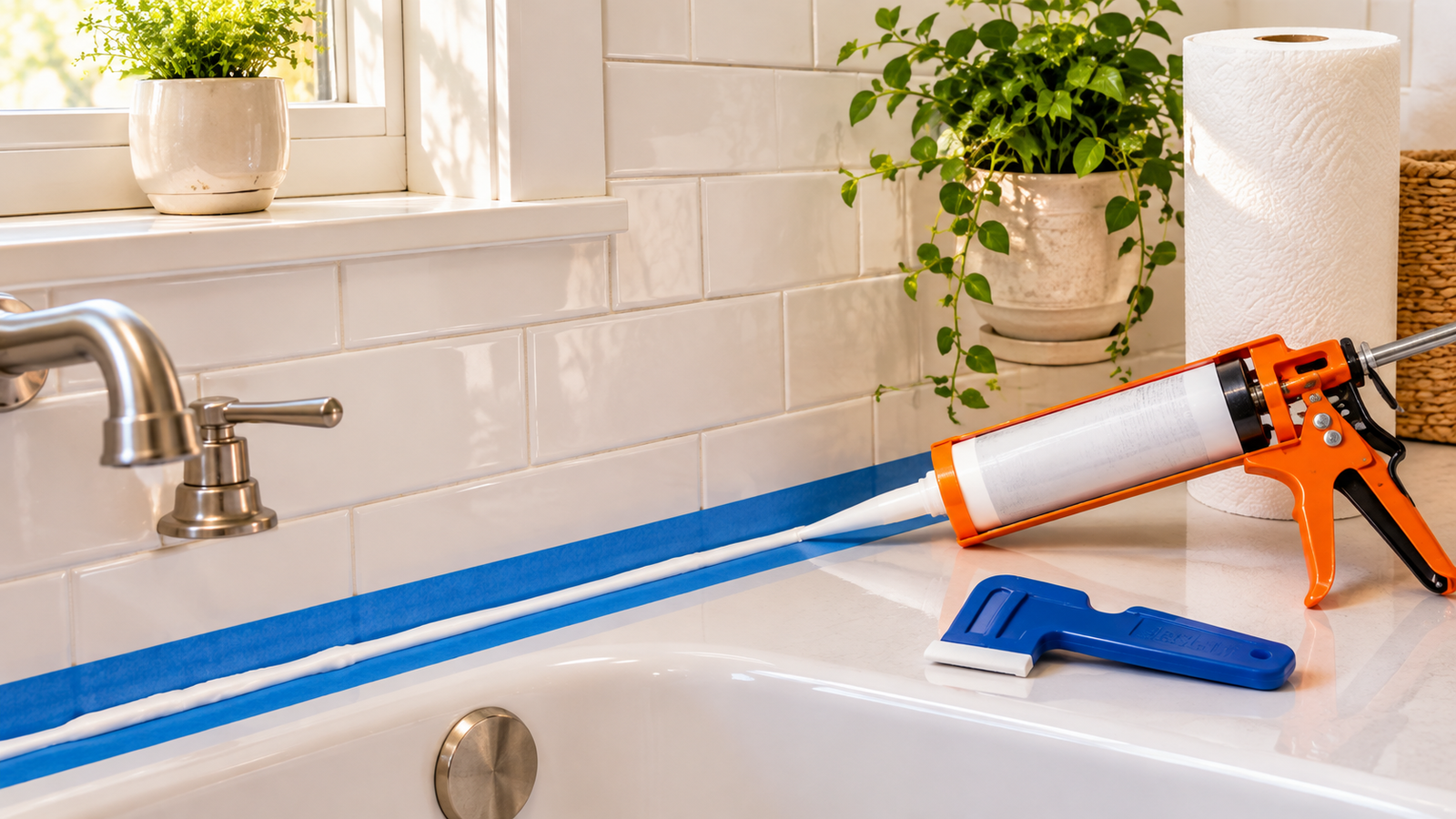
Cracked caulk lets water seep behind tubs and sinks. Remove the old bead with a caulk remover, clean with rubbing alcohol, and let the area dry.
Apply a thin bead of 100% silicone caulk made for kitchens and baths. Smooth it with a gloved finger or tool, and let it cure for about 24 hours before getting it wet.
7. Replace Worn Weatherstripping
Drafts raise energy costs and make rooms uncomfortable. Replace cracked or flattened weatherstripping around exterior doors, and add a door sweep along the bottom.
Measure the gap, pick the right type for your door, and press the adhesive strip onto a clean, dry surface. Look for light around the door edges to find the worst gaps.
8. Replace Outlet Cover Plates and Test GFCIs
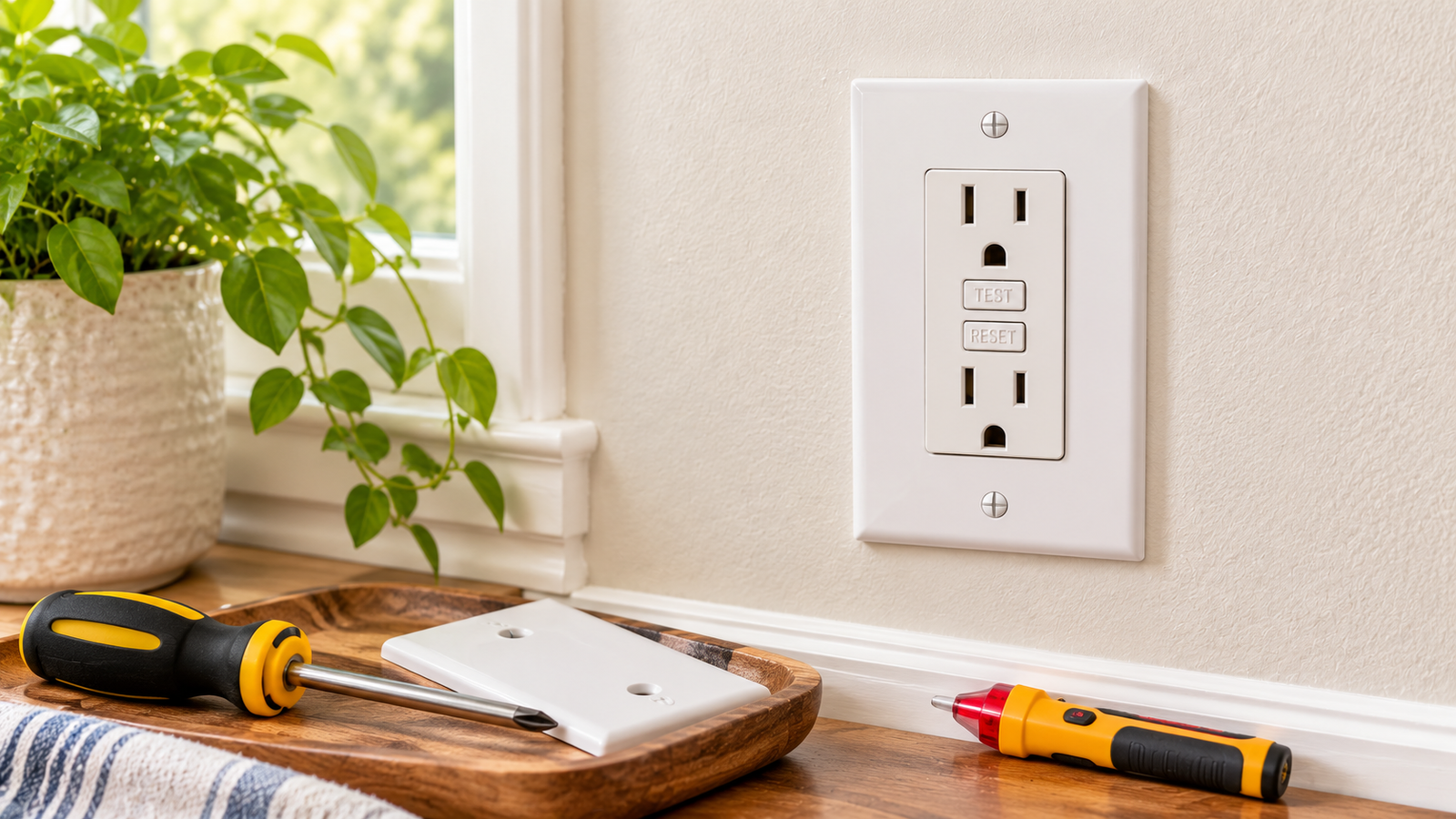
Cracked or yellowed cover plates are an easy upgrade. Turn off the breaker, unscrew the old plate, and screw on the new one.
Test GFCI outlets by pressing TEST and then RESET. Manufacturers generally recommend testing them monthly. Never replace the outlet itself unless you’re experienced, and call an electrician if one fails.
9. Change HVAC Filters
A dirty filter makes your system work harder. Check it monthly and replace it as the manufacturer recommends, often every one to three months.
Note the size printed on the filter frame and the airflow arrow. Install the new one with the arrow pointing toward the blower.
10. Tighten Loose Cabinet Hinges
Loose doors are usually just loose screws. Tighten them with a screwdriver first.
If a screw spins freely, fill the hole with a few glued toothpicks or a bit of wood filler, let it dry, and drive the screw back in.

11. Repair Cracked Grout
Cracked grout lets water seep under tile. Remove the damaged grout with a grout saw, vacuum the joint, and press in new grout with a rubber float.
Use sanded grout for joints 1/8 inch or wider and unsanded for narrower ones. Wipe the haze with a damp sponge and seal it after it cures, per the label.

When Easy Home Repairs Become a Job for a Pro
Not every fix is a DIY job. Call a licensed professional for:
- Gas smells or gas appliance problems. Leave the home and call your utility.
- Electrical panel work and new wiring.
- Major leaks, sewer backups, or burst pipes.
- Roof damage or structural cracks.
- Large mold areas. EPA guidance suggests getting help for areas larger than about 10 square feet.
- Suspected asbestos or lead paint in older homes.
Saving money is great, but your safety comes first.
Easy Home Repairs on a Budget
Most easy home repairs cost under $50 in parts. A small toolkit and a few replacement parts can cover a whole year of fixes.
Here’s where to shop:
- Hardware stores: Home Depot, Lowe’s, and Ace Hardware
- Big-box stores: Walmart and Target for basic tools and supplies
- Online: Amazon for specific parts and kits
- Secondhand: Facebook Marketplace and garage sales for used tools
Many stores also have staff who can help you match parts. Take the old part with you.
Easy Home Repairs for Renters
Renters can handle small fixes, such as tightening hinges, changing filters, or replacing cover plates. Always check your lease first.
Report leaks, electrical issues, and major damage to your landlord in writing. Keep photos and receipts for any repairs you complete.
Common Repair Mistakes to Avoid
Even the simplest easy home repairs go wrong with these habits:
- Skipping the shutoff valve or breaker
- Buying the wrong replacement part
- Over-tightening plumbing connections
- Rushing the prep and cleanup
- Ignoring signs of a bigger problem, like persistent moisture
Conclusion
Easy home repairs give you more than savings. They build confidence, protect your home, and keep small issues from becoming expensive emergencies.
Start with one or two fixes from this list, like the toilet flapper or a new HVAC filter. Keep a small toolkit ready, follow the safety rules, and call a pro when a job is beyond your comfort level.
Pick one repair this weekend, and you’ll feel the difference right away.
FAQs About Easy Home Repairs
What are the easiest home repairs for beginners?
Start with HVAC filters, cabinet hinges, cover plates, and nail holes. They need basic tools and have low risk.
How much can easy home repairs save me?
A single service call often costs more than the parts for a simple fix. Doing a few repairs yourself each year can add up quickly.
Can renters do easy home repairs?
Yes, for small fixes like hinges, filters, and caulk. Always check your lease and report bigger problems to the landlord.
Which easy home repairs should I never do myself?
Leave gas, electrical panels, structural issues, and large mold areas to licensed professionals.